ARI 2024 Update
Amazonian Rivers Initiative Program 2: Journey to the Biobío River in Chile
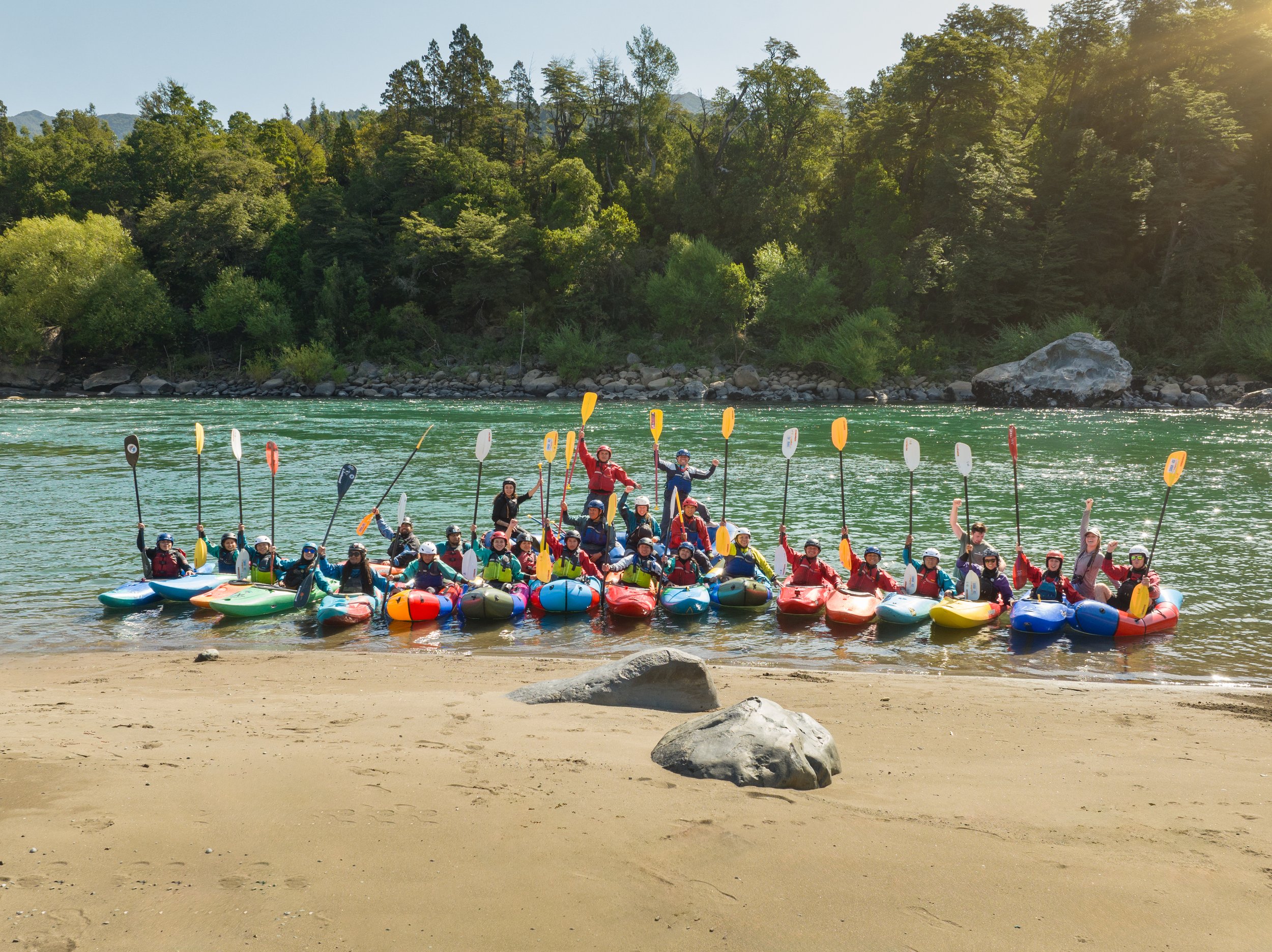
This February 2024, fourteen Bolivians from the Beni River Basin traveled to the Biobío River in Chile to participate in an intensive 2-week whitewater paddling and leadership training course and cultural exchange experience with Mapuche-Pehuenche community members. There, they witnessed with their own eyes the impacts that mega-dams can have on a region and community, learned about adventure ecotourism and cultural resilience, and explored world-class whitewater sections on another one of South America’s most important rivers. Creating the physical infrastructure (gear and systems) and inspiring local enthusiasm for a whitewater club in 2022 and 2023 was a crucial first step. Now comes the multi-year investment of forming local whitewater experts and instilling a conscientious river sports culture that will enable the club to be self-sufficient and run year-round. 2024 is a huge step forward for the self-sufficiency of the club to take off. Alumni left our 2024 February program with the skills, knowledge, and capacity to begin to safely make river trips outside of our intensive R2R programs, representing a huge milestone for ARI’s success.
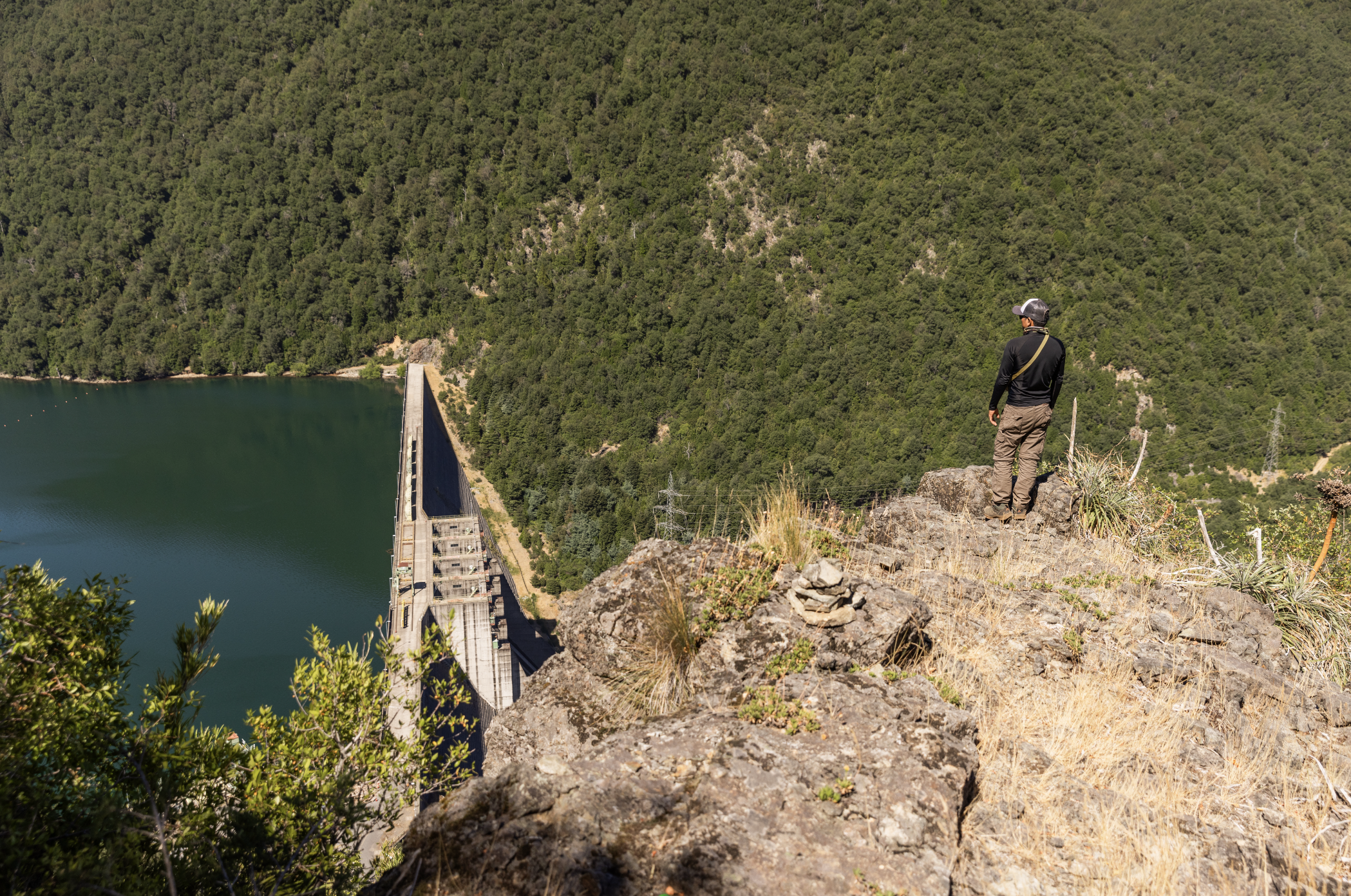
Visiting Pangue Dam
The team visited a viewpoint above the Pangue Dam built in 1996 on the Biobío River. They listened to Mapuche community leaders as they recounted the history of the damming and its impact on Mapuche Pehuenche people. This experience allowed the Bolivians to witness the scale of mega dams for the first time, providing a glimpse into a possible future if the Chepete-Bala dams are built on the Beni River in Bolivia, and sparking dialogue about how to protect our Earth’s remaining free rivers.
Kayaking, rafting, and pack rafting on the Biobío River
the Biobío River in Chile offers some of the best whitewater in the world for learning kayaking and rafting. ARI prioritizes intensive whitewater training as a valuable skill that can build capacity for ecotourism as a potential alternative to river extractivism, and create a platform to advocate for nature and Indigenous rights. The way we see it, smiles, laughter, and enthusiasm are some of the world’s most POWERFUL tools for change!
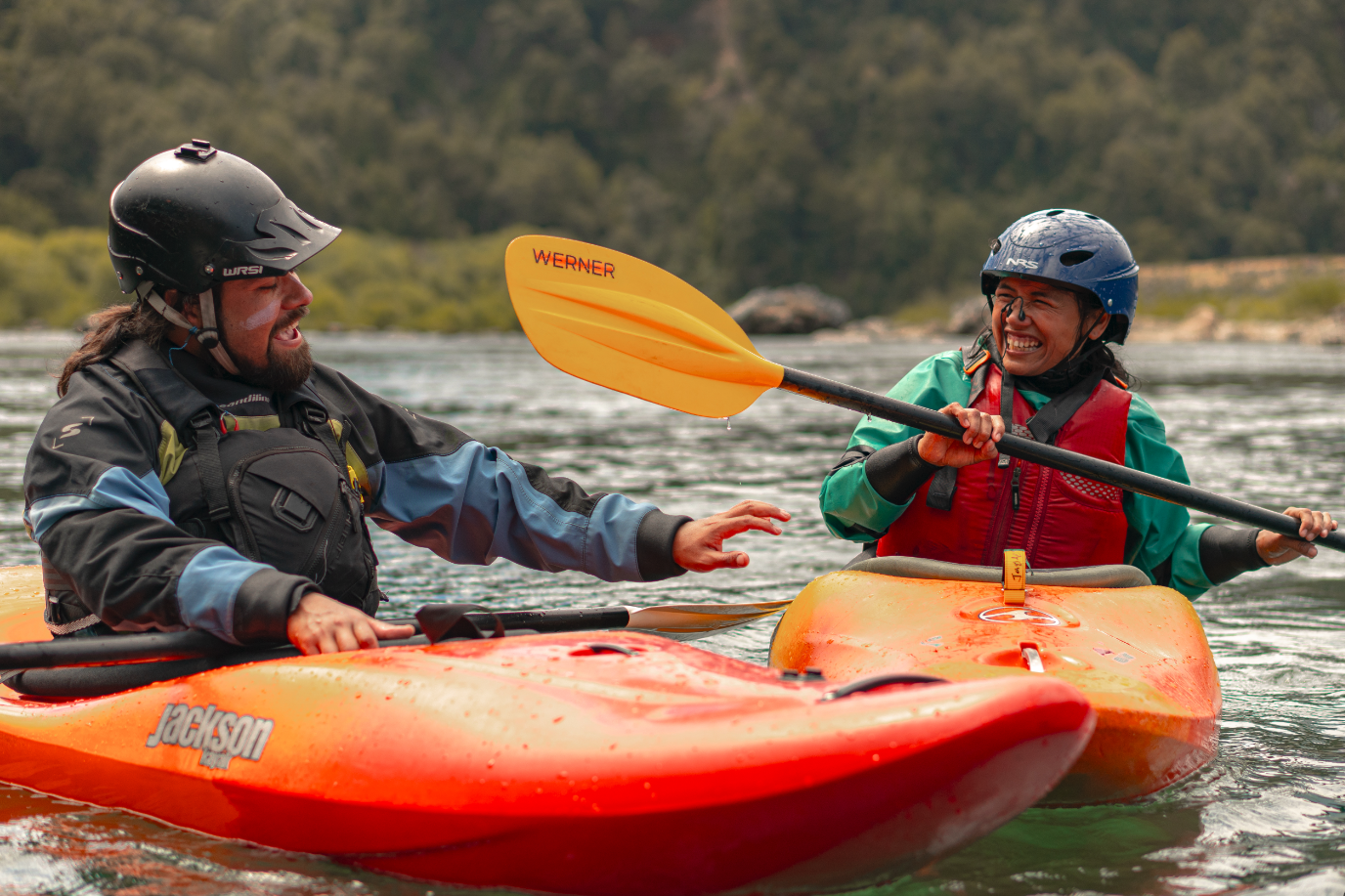

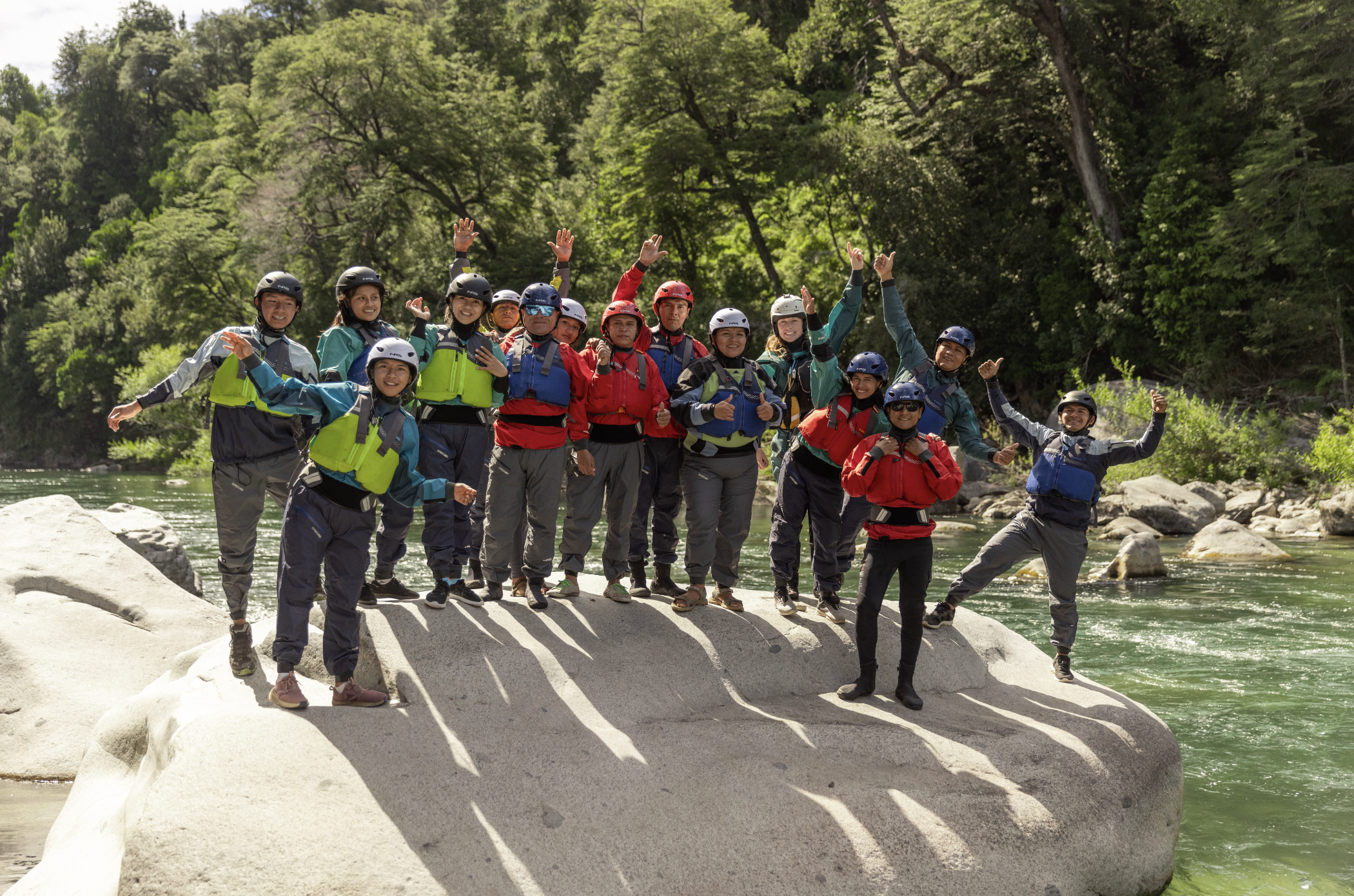
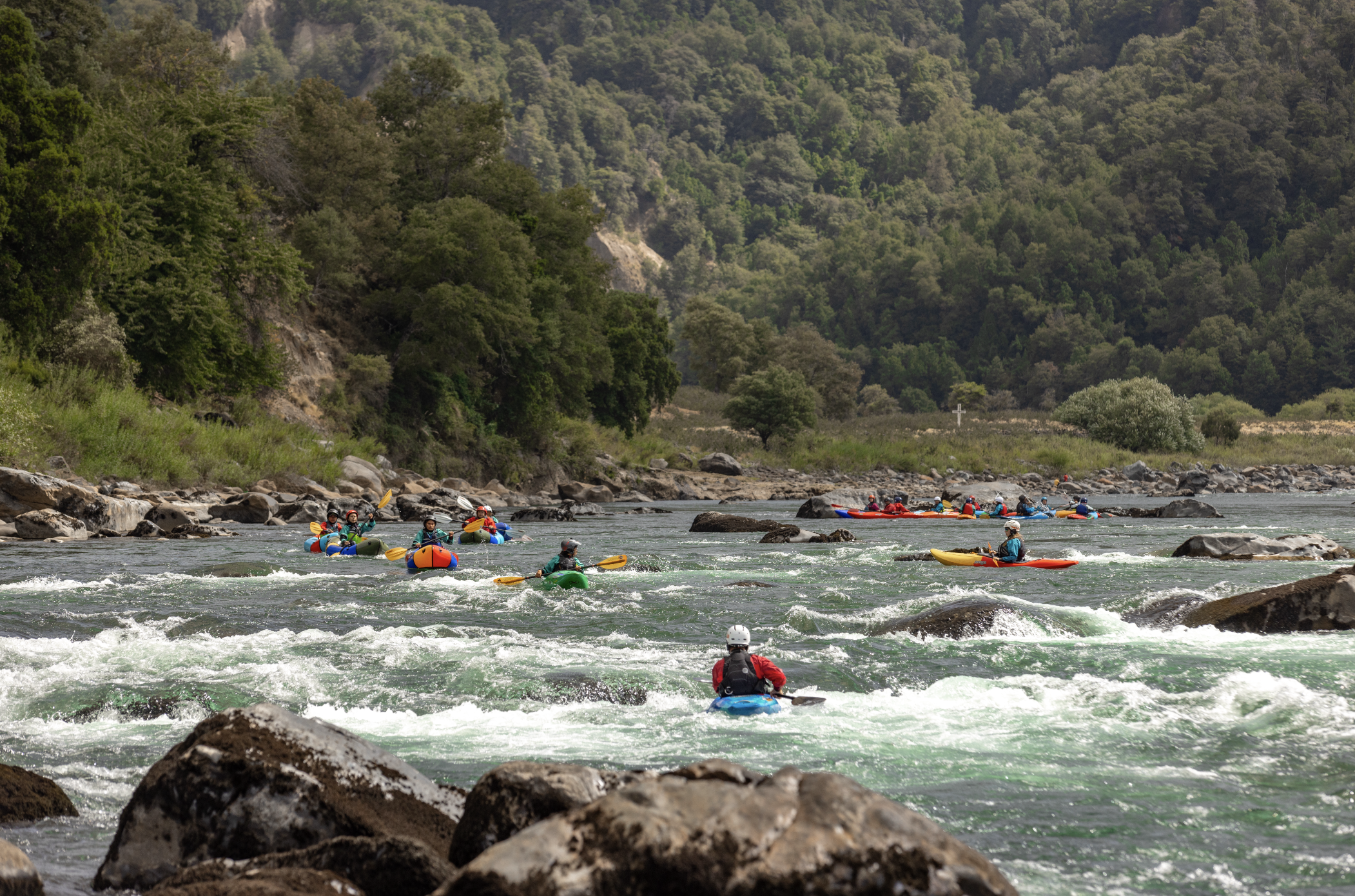
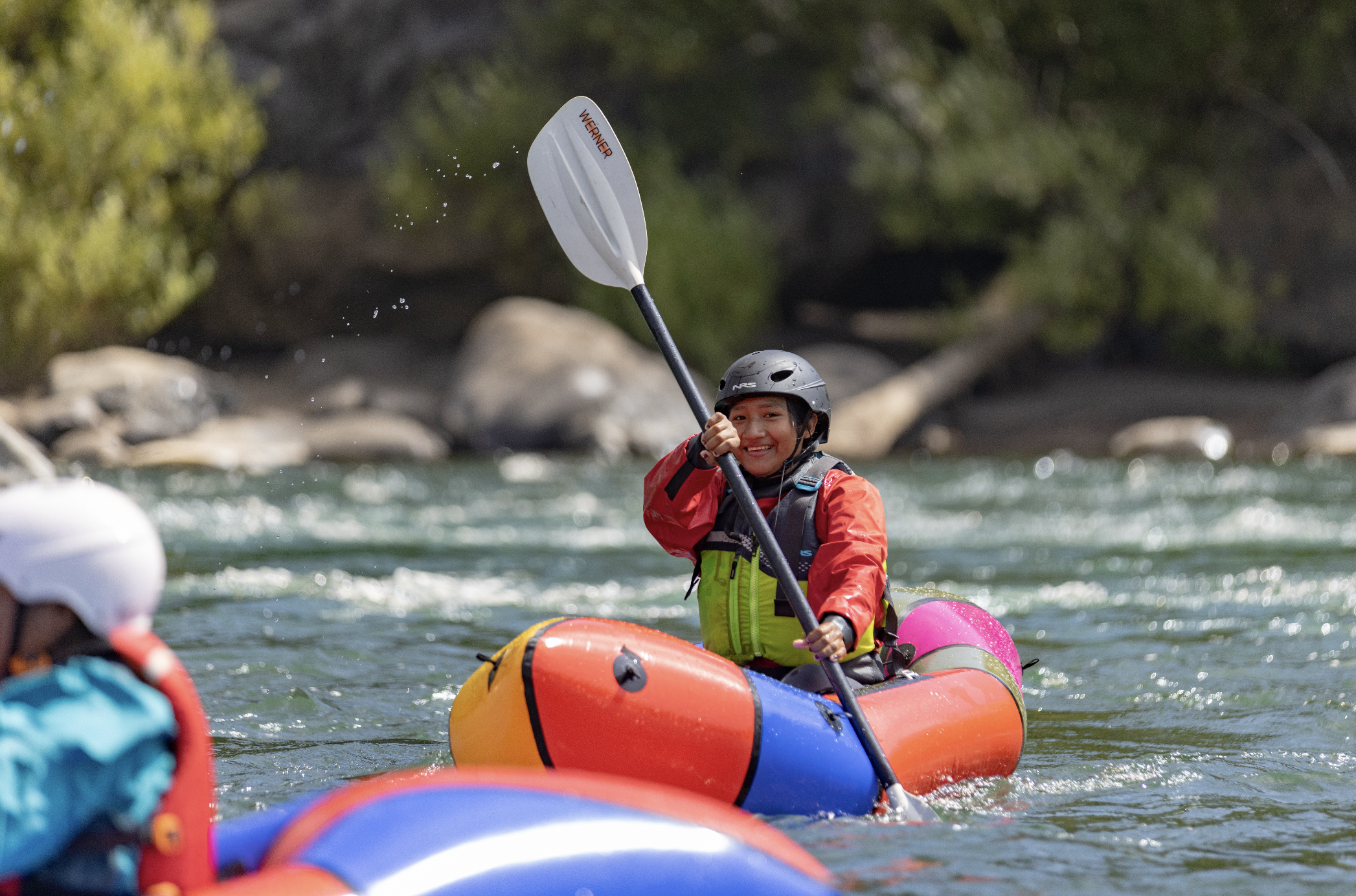

Inaugurating the first Bolivian paddle club
ARI participants are some of the first whitewater paddlers from Bolivia. Creating a community-led whitewater sports club is one of the first steps towards sustainable adventure tourism.
Visiting the Community El Barco
The community El Barco lies deep in the Andes at the headwaters of the Biobío River. The community fought against the construction of the Ralco and Pangue dams and their lives were forever altered by their construction. Their community is a symbol of cultural resilience and perseverance in the face of hardship.
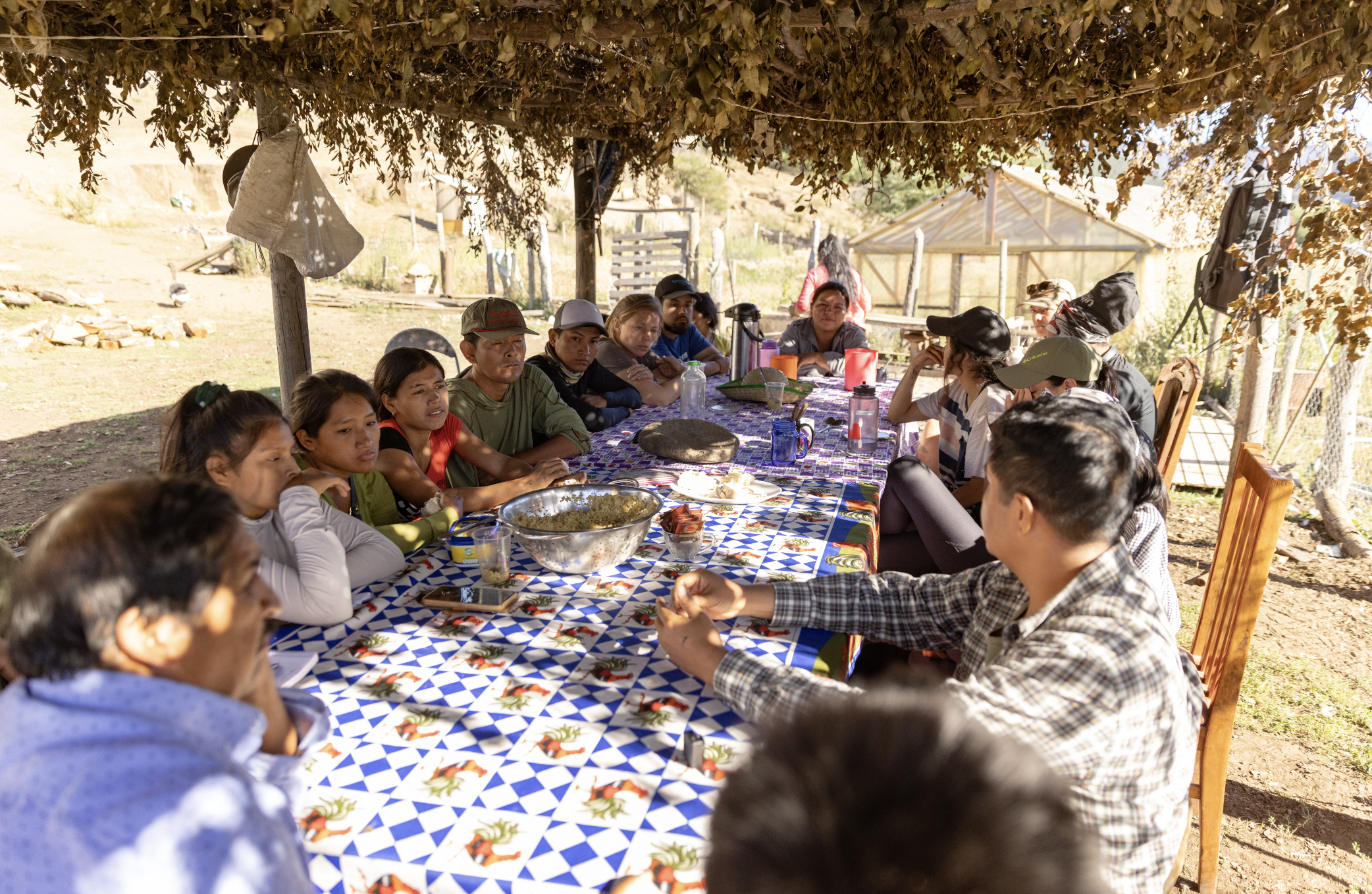
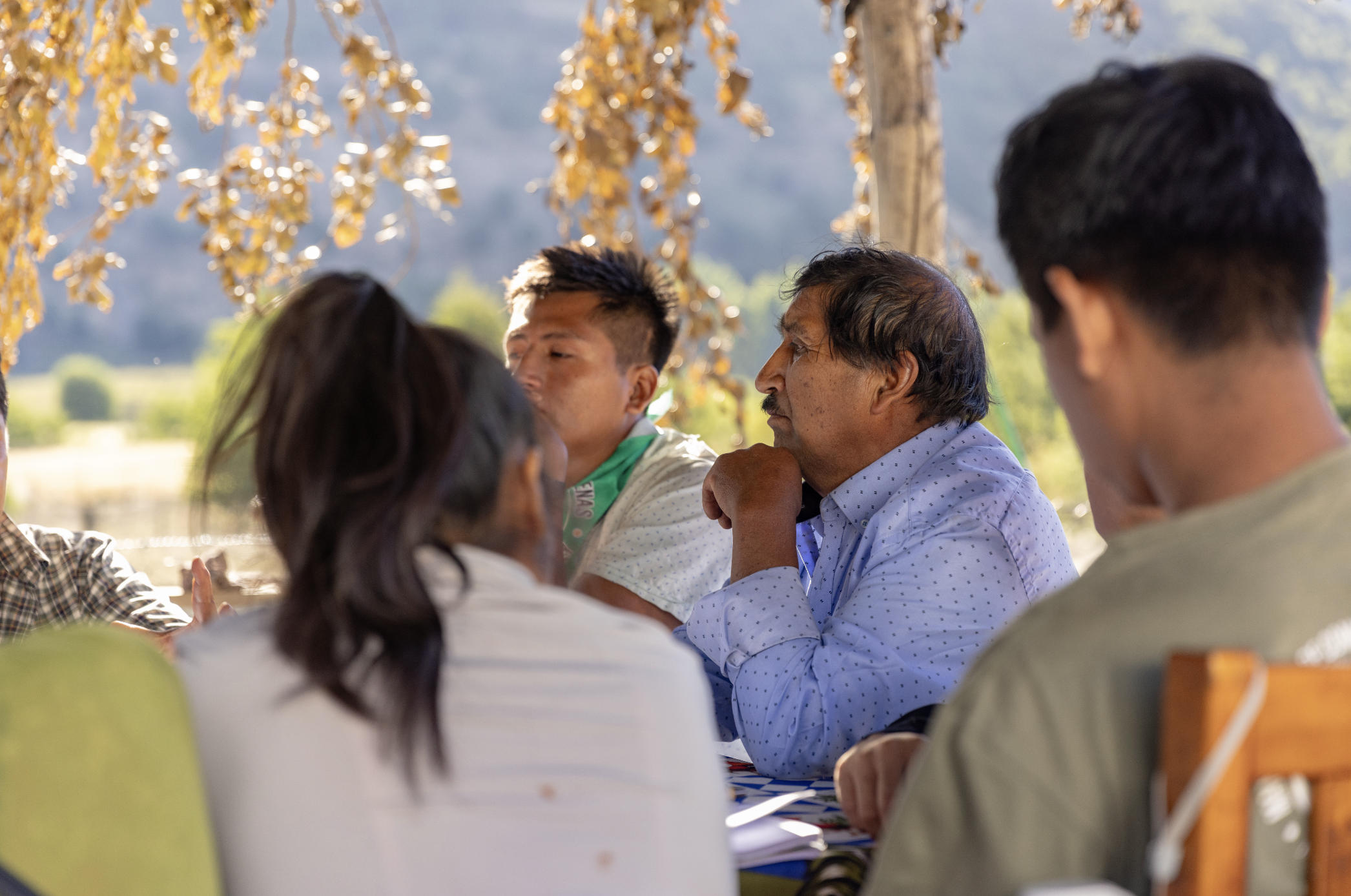
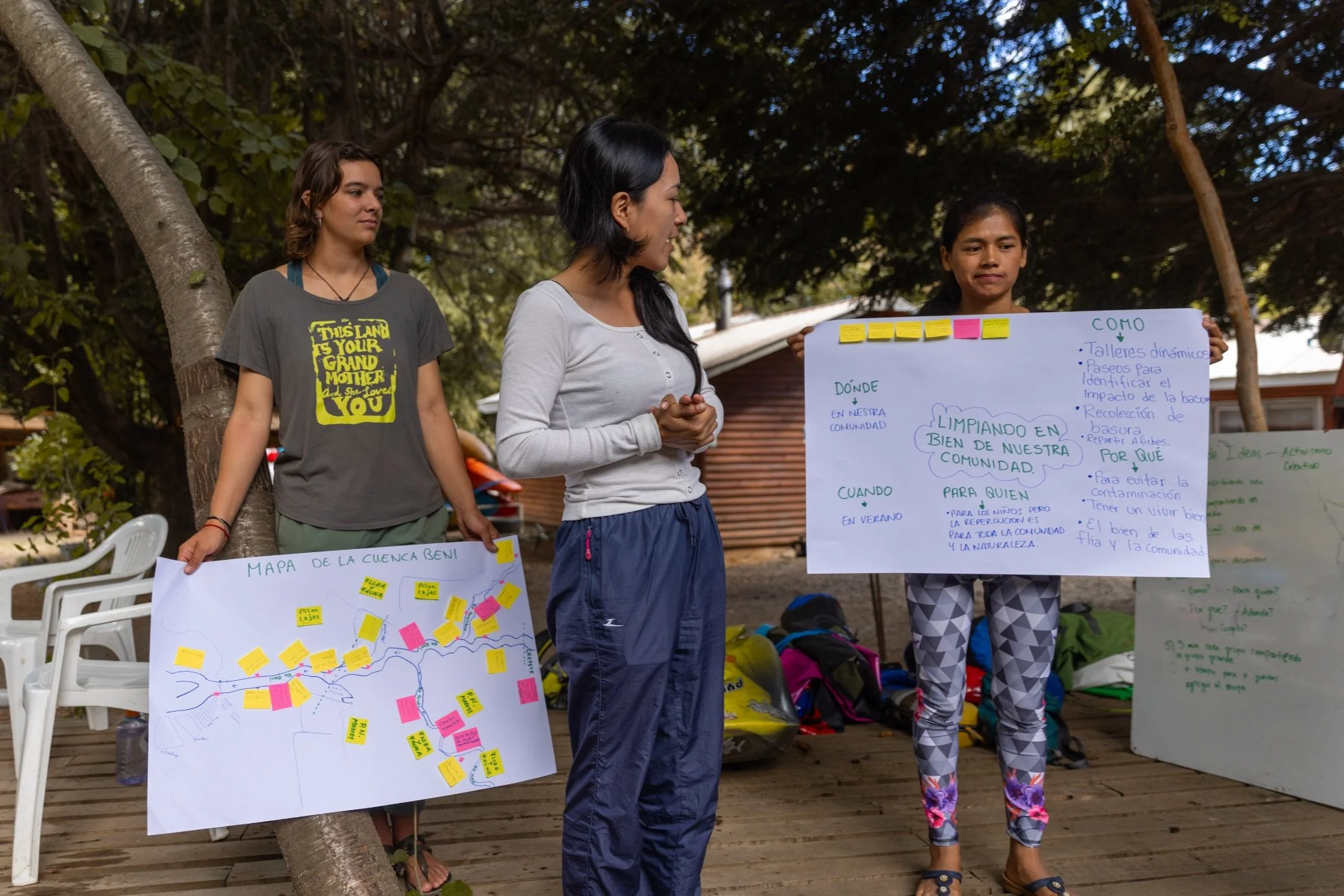

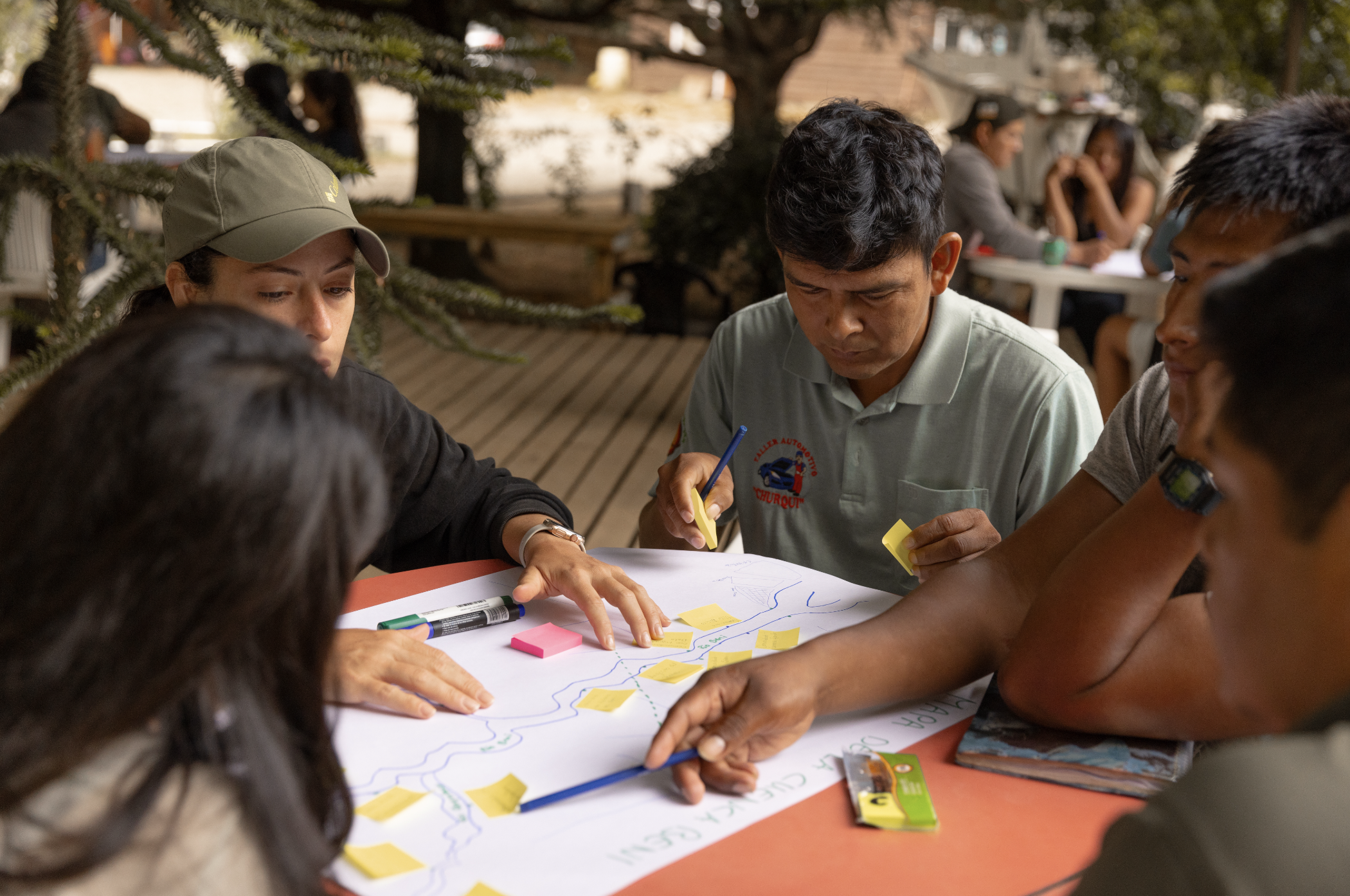
Strategizing to defend Bolivian waterways and fortify Indigenous & river-conservation networks.
ARI’s students represent hope for the future of their land, rivers, communities and cultures. The program provides a safe platform to think critically and radically about strategies to approach daunting problems in their region.
Gathering with Ríos to Rivers’ Chile and USA Programs
This Amazonian Rivers Initiative trip to Chile coincided with Ríos to Rivers’ other two programs– Kayakimün, focused on river advocacy for Mapuche-Pehuenche youth in Chile, and Paddle Tribal Waters’ (PTW) American semester program with World Class Kayaking Academy. Normally taking place in their respective countries, having all three programs in the same place at the same time allowed for powerful interactions where an immense amount of collective knowledge was accessed and shared along the banks of the Biobío River.

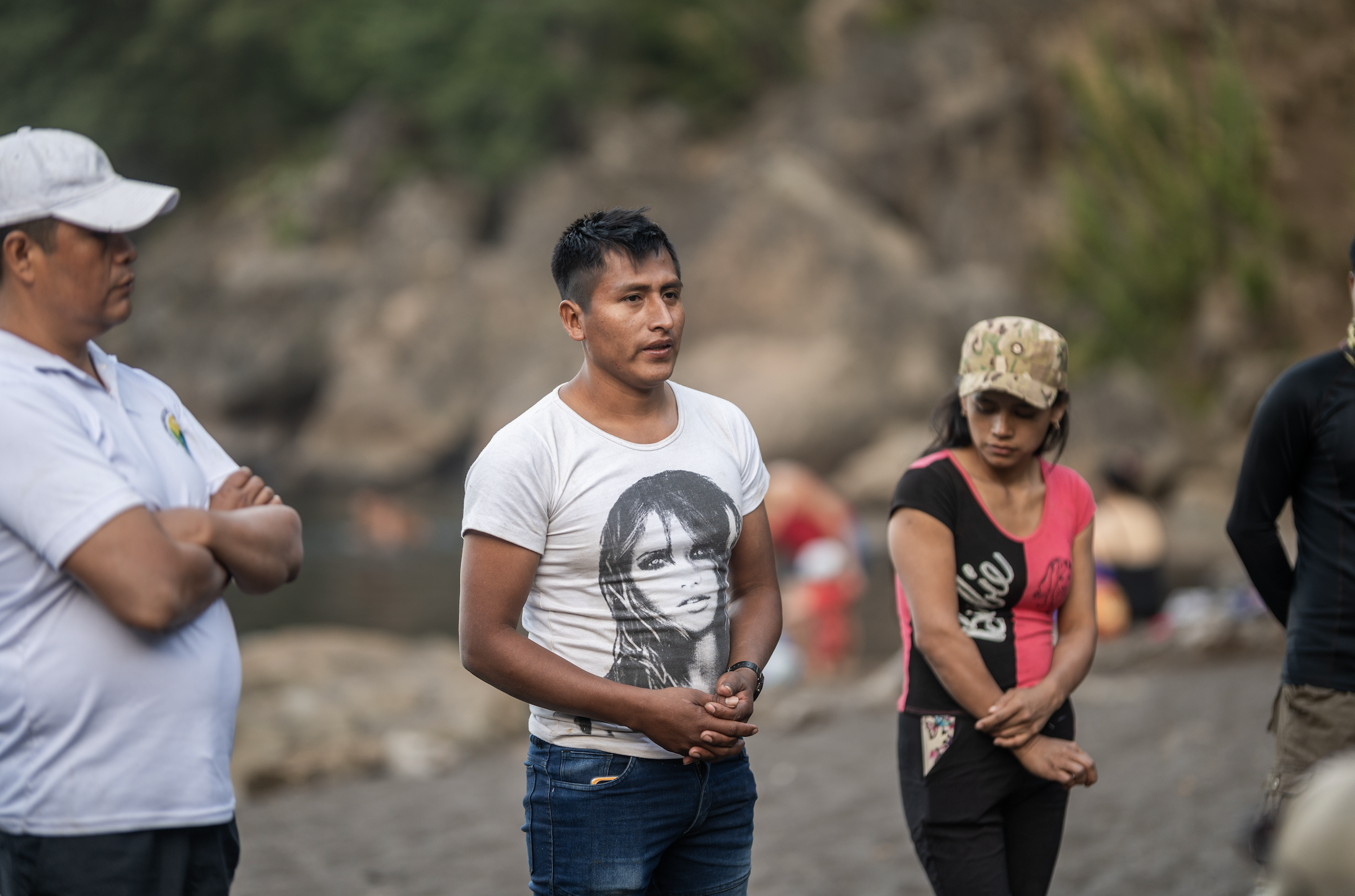
Practicing public speaking and leadership curriculum
Many of ARI’s participants are either already leaders in their communities or are training to be, meaning they are the future decision-makers and voices for their territories. Throughout the program, students share their experiences and feelings with the group, finding their voice and learning to speak and carry themselves with confidence. Effective communication with different audiences (Indigenous communities vs media vs international) is an imperative tool in a changing world.
Creating a music video to advocate for the Amazon’s rivers
For the past year, alumni from our first program have worked together with Peruvian artist Pedro Grandes to write and produce a pop song called “Fluye Libre” about protecting the Amazon’s tributaries from dams and mining. You can watch the music video here and listen to it on Spotify here.

All photos are courtesy of Felipe Zanotti
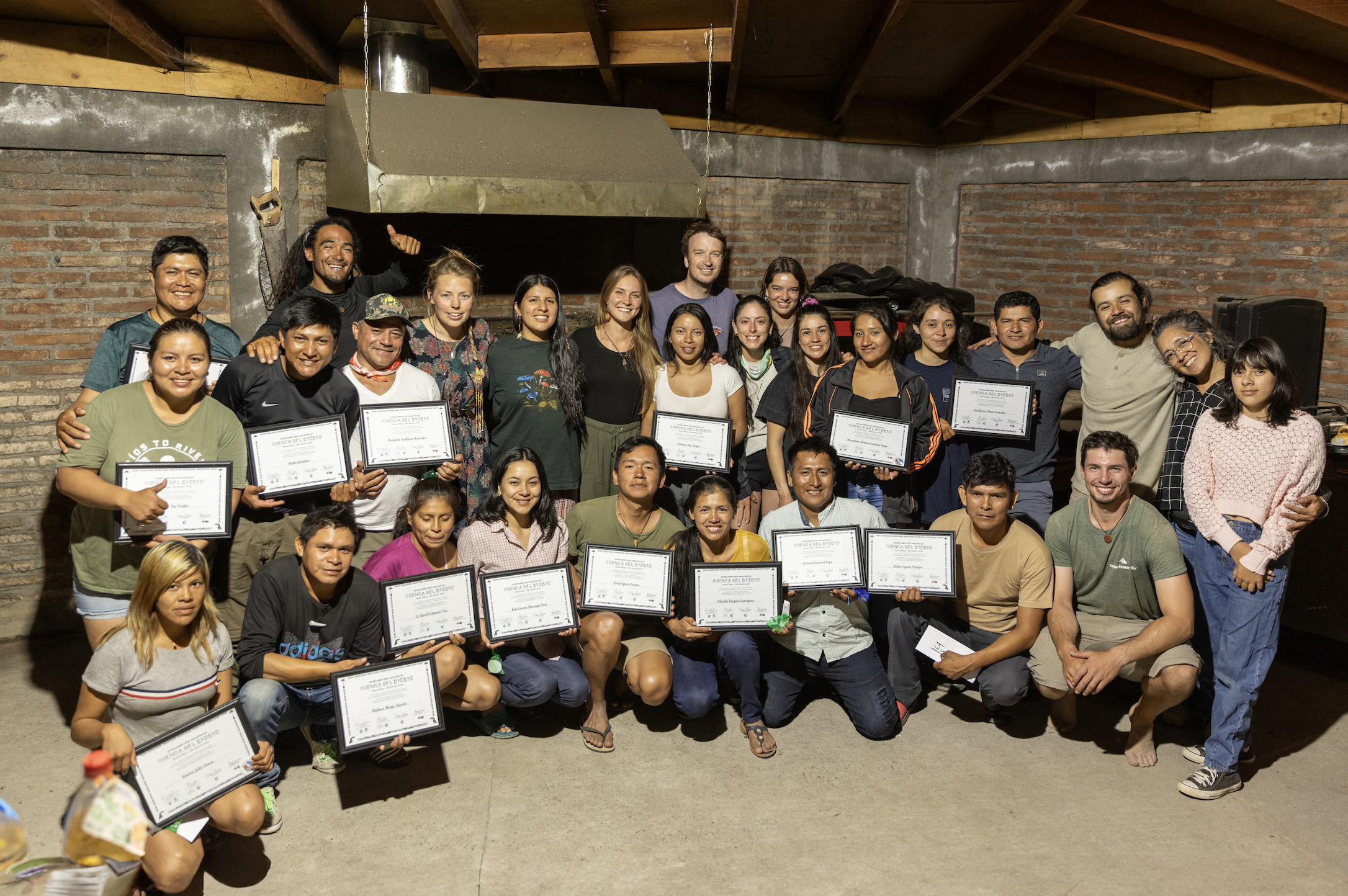
Program Graduation
After wrapping up the second successful ARI program, we are more excited and committed than ever to continue the momentum, enthusiasm, and passion for free rivers and justice for Indigenous communities!
Thank you to all ARI Supporters