

Ríos to Rivers Mission and Theory of Change
MISSION
Ríos to Rivers inspires the protection of rivers worldwide by investing in underserved and Indigenous youth who are intimately connected to their local waters and supporting them in their development as the next generation of environmental stewards.
THEORY OF CHANGE
Our theory of change rests on a simple but powerful premise: when Indigenous youth reconnect with their rivers, communities, and each other, they unlock the cultural, ecological, and political power needed to protect them.
Skeptics may ask: how can a group of young people in rafts and kayaks make a difference in the global climate crisis?
The answer is that the boat– whether kayak, raft, or canoe– is not the end. It is the means.
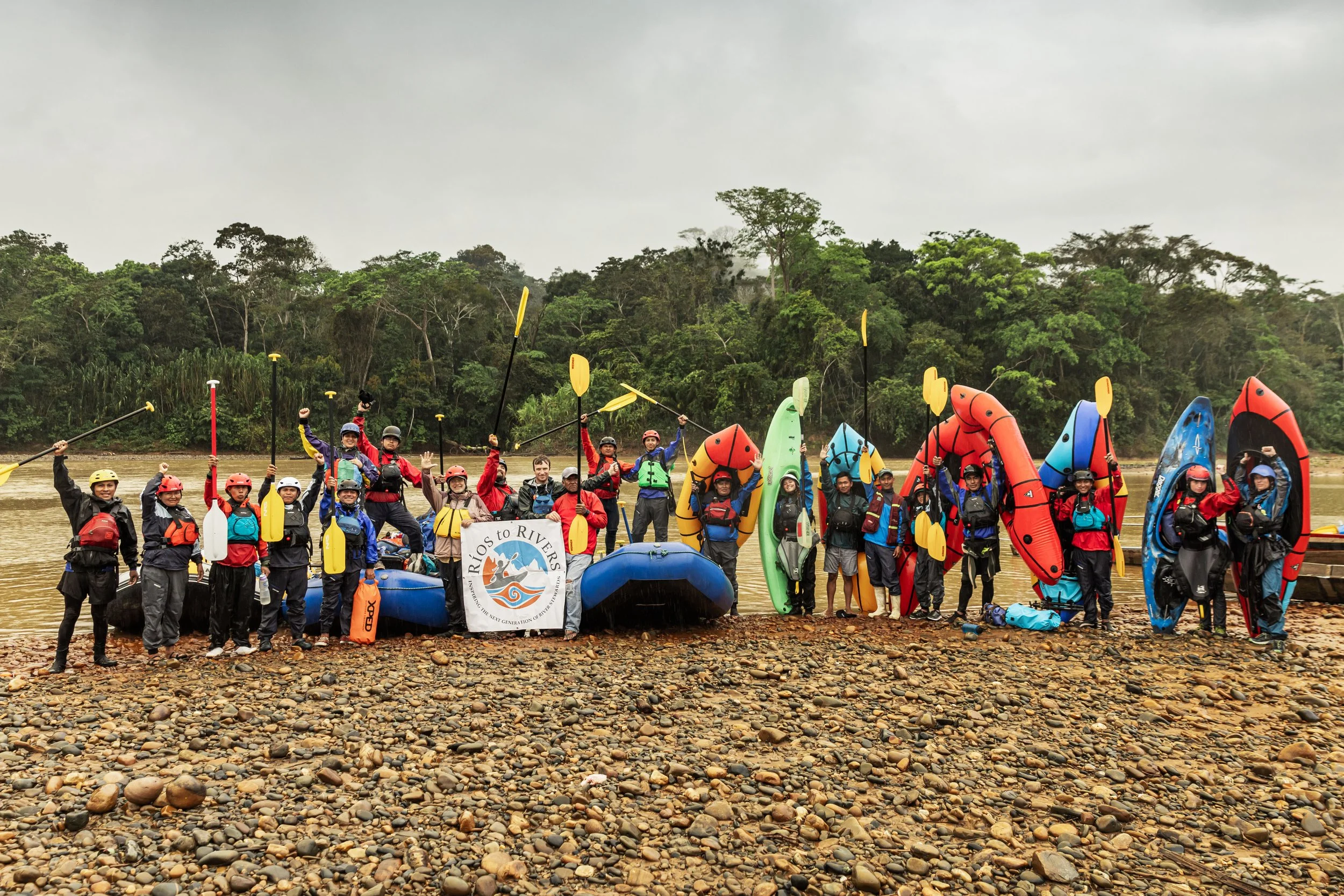
Outdoor navigation skills place youth back in relation with their ancestral waterways, where learning becomes embodied, confidence grows, healing begins, and leadership is born. On these rivers, youth build deep peer networks, intergenerational bonds, and a lived understanding of river systems from source to sea. From that experience, they step into leadership roles that influence community action, regional organizing, and global advocacy. Our students are not passive participants—they are co-designers, facilitators, storytellers and organizers. The result is a multiplier effect that strengthens sovereignty, revitalizes culture, improves well-being, and advances climate justice across watersheds.
Problem Statement
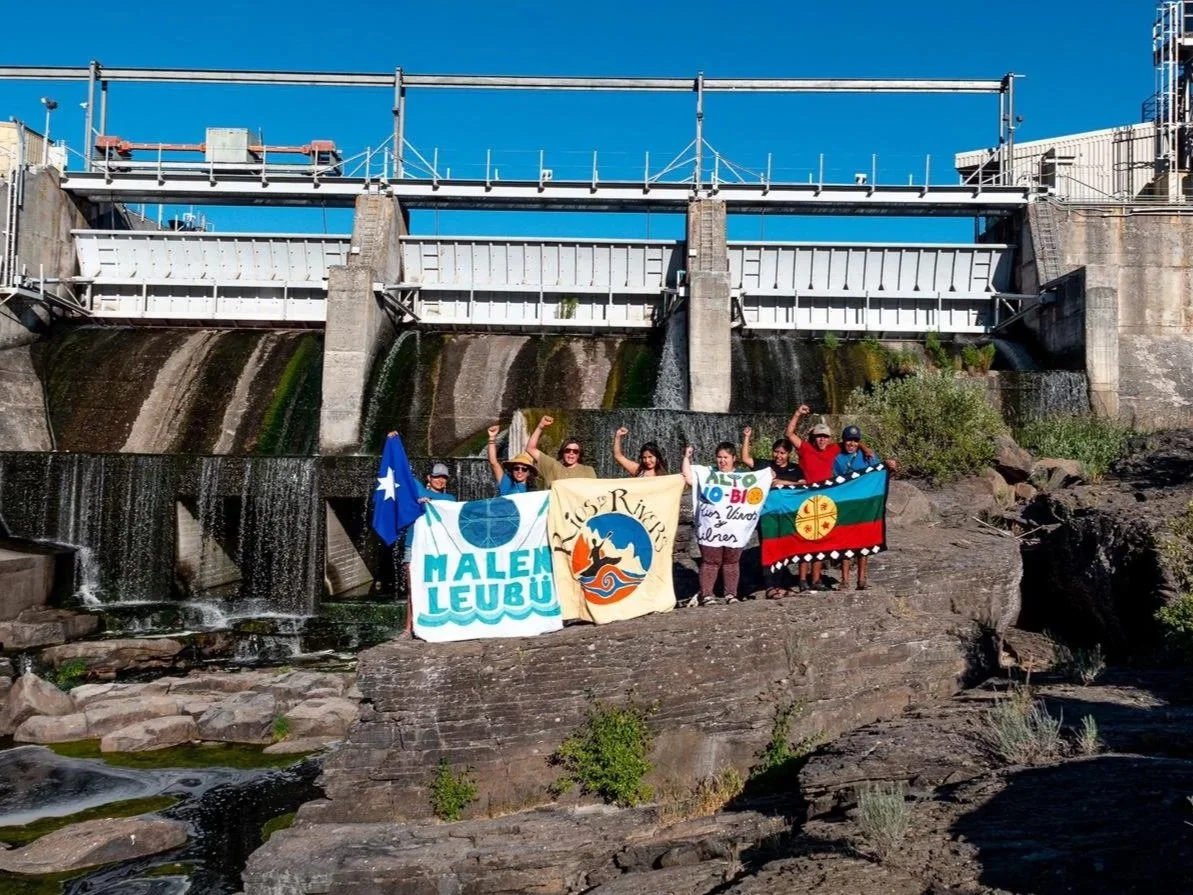
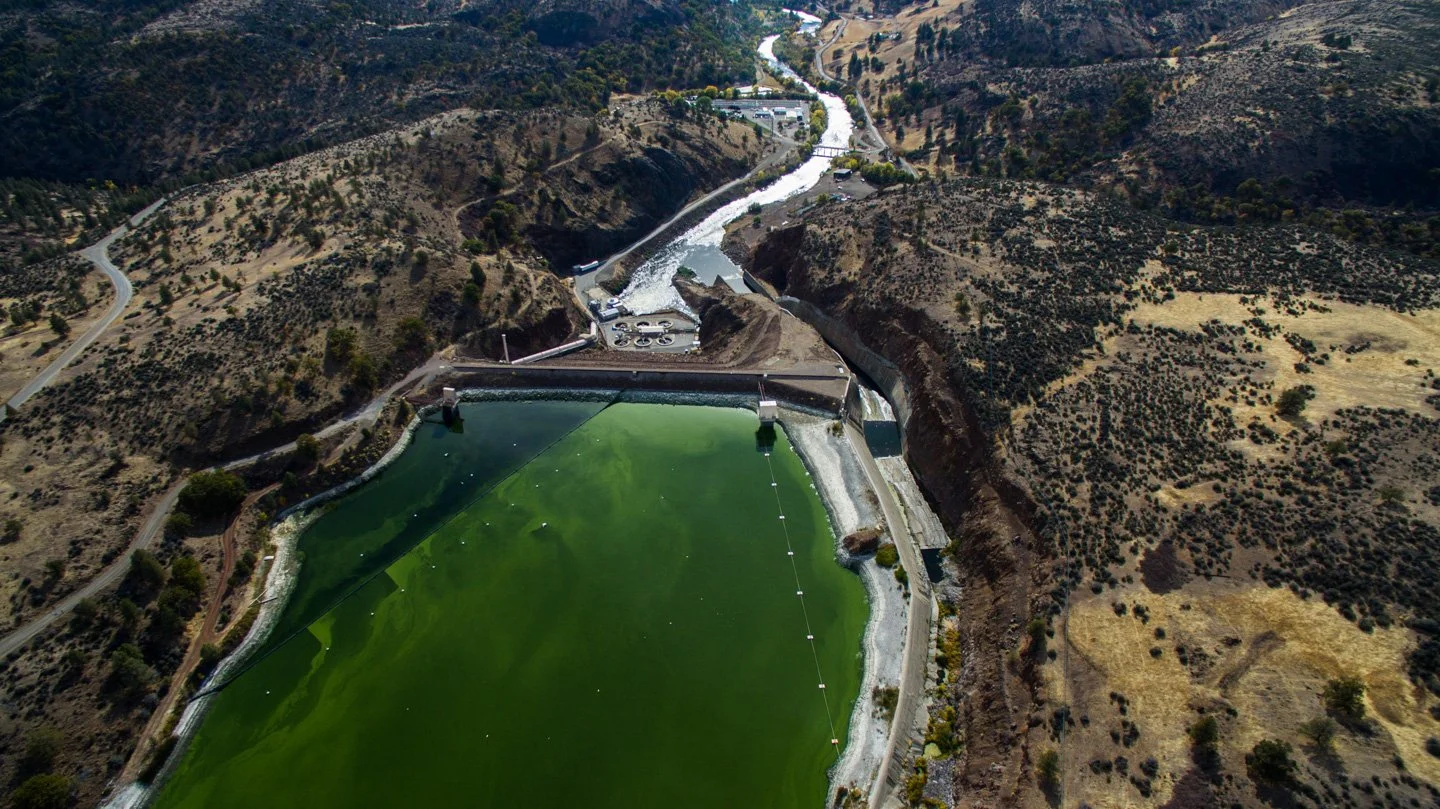
Around the world, free-flowing rivers are disappearing at an alarming pace—fragmented by dams, polluted, diverted, or drained before they reach the sea. Fewer than one-third of the world’s rivers remain free, and many of those are now under immediate threat of extinction. Yet these rivers are among the planet’s most powerful climate buffers: they transport carbon, regulate temperatures, preserve biodiversity, sustain food systems, and uphold cultural and spiritual relationships that keep communities resilient.
At the same time, the very peoples who have safeguarded these rivers for millennia— Indigenous communities — are disproportionately impacted by climate disruption and chronically excluded from the decisions that determine the fate of their waters. Young people in these communities often lack access to the outdoor pathways, leadership development, cultural exchange, and global advocacy spaces where their voices could influence real change.
Despite the urgency, there is profound hope. Around the world, communities are restoring rivers, removing dams, revitalizing cultures, and demonstrating that healthy watersheds are still recoverable when Indigenous leadership is centered.
Ríos to Rivers works globally—across the Americas and in collaboration with river protectors and partners on multiple continents—through our programs and our engagement in the Rivers for Climate Coalition. We connect rising Indigenous leaders across borders to build the cultural, ecological, and political power needed to protect and restore the world’s remaining free rivers and the communities who depend on them.
The Pathway
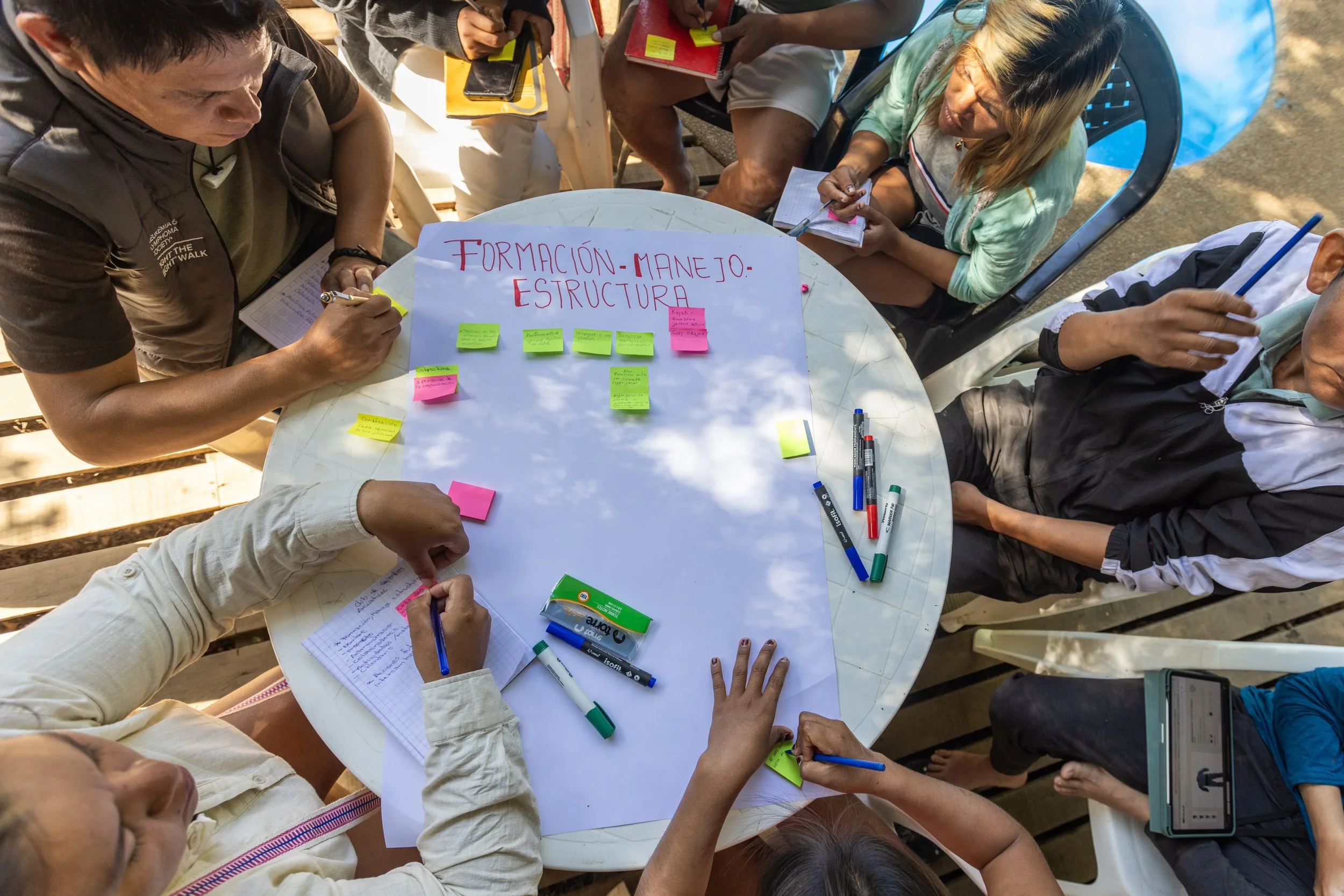
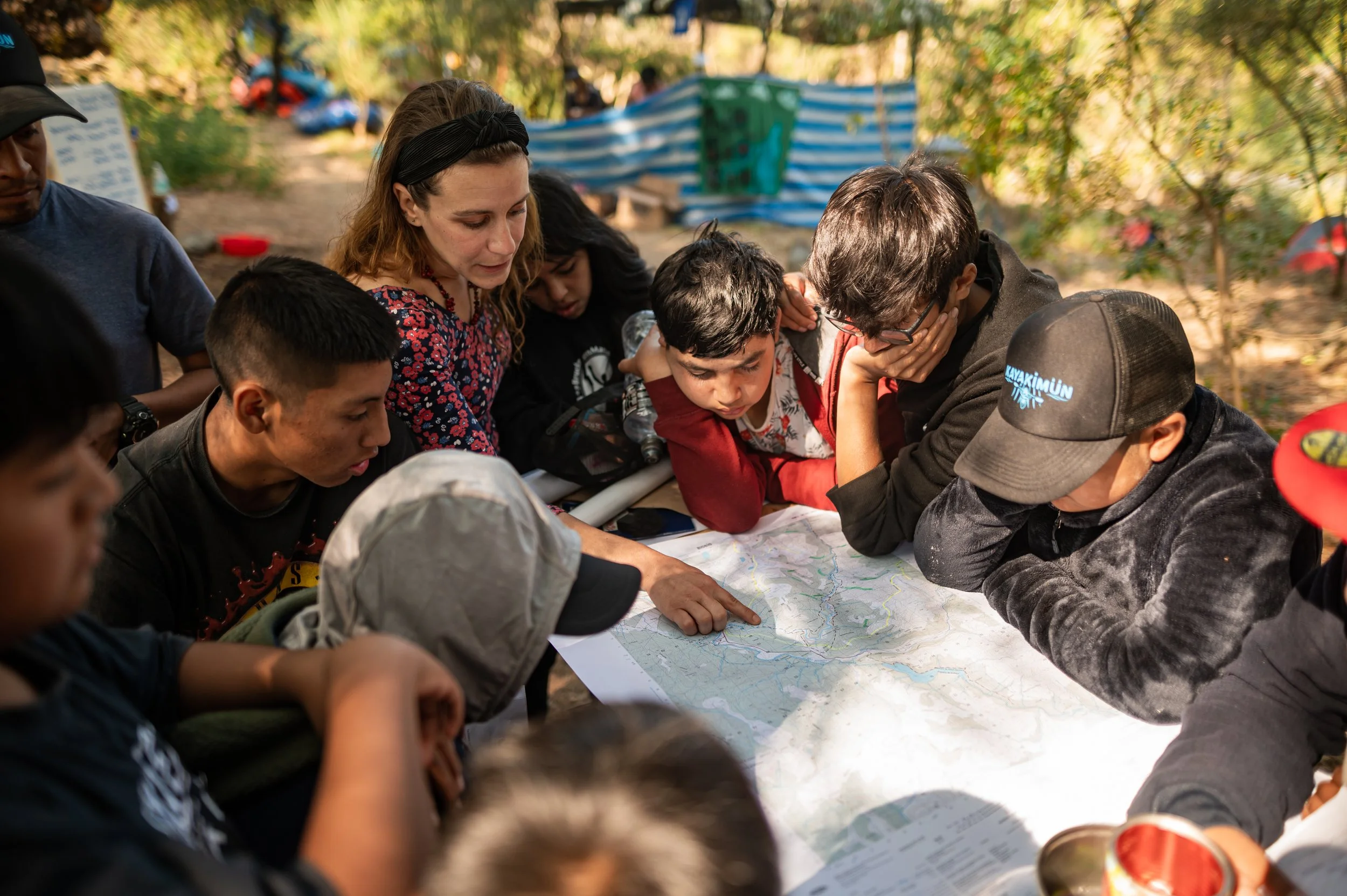
Inputs: We convene Indigenous youth alongside elders, knowledge keepers, scientists, and river leaders, on their ancestral rivers and across borders. We provide mentorship, river navigation and safety training, storytelling and media tools, Traditional Ecological Knowledge (TEK) and climate science education, and access to national and global advocacy platforms.
Activities: Youth embark on immersive, intergenerational training programs; cross-cultural exchanges; mental-health-supportive learning environments; co-creation of declarations and policy literature; production of films and stories; local project incubation; and representation at international forums such as COP, UN Water, and the Global Free Rivers Symposium.
Immediate Outcomes: Students and young adult staff gain confidence, cultural grounding, technical river skills, global perspectives and advocacy knowledge, and a strong peer and mentor network. They develop leadership identity, positive risk-taking skills, and a deeper sense of purpose. Many begin projects at home—river clean-ups, paddle clubs, language and cultural revitalization efforts, community mapping, and local advocacy campaigns.
Intermediate Outcomes: Alumni step into visible leadership roles: representing their Nations at COPs, testifying in governmental processes, organizing resistance to harmful projects, and mentoring new cohorts, and developing their own local, youth led paddling clubs. Storytelling expands narrative power within Tribal, regional, and international arenas. Communities gain stronger, more interconnected local champions equipped with both ancestral knowledge and modern policy tools.
Long-term Impact: Indigenous-led river stewardship becomes stronger, more visible, and more effective. Free-flowing rivers are increasingly recognized for their cultural, ecological, and climate-regulating importance. Communities are better equipped to resist destructive projects, advance dam removal or prevention, strengthen sovereignty, and implement their own place-based climate solutions. A global network of Indigenous river protectors shapes the future of conservation and climate policy.
Defining and Measuring Success
We evaluate success not by the number of youth who participate, but by the depth and durability of their leadership, and by the community and environmental ripple effects. Core indicators include:
Youth leadership development: Alumni creating or leading river, climate, and cultural initiatives; alumni returning as mentors or facilitators; alumni building their own locally-led organizations.
Community impact: New or strengthened river programming, cultural revitalization work, advocacy campaigns, community science, and local organizing.
Representation in decision-making: Alumni voices at UNFCCC COPs, water conferences, Tribal councils, national assemblies, and regional planning processes.
Narrative power: Reach, influence, and political impact of youth-led media, policy declarations, and films.
Well-being & resilience: Increased confidence, cultural connection, positive identity development, and community belonging.
Evidence of Results
Scale: Over 1,000 Indigenous youth connected across 20+ watersheds in five countries.
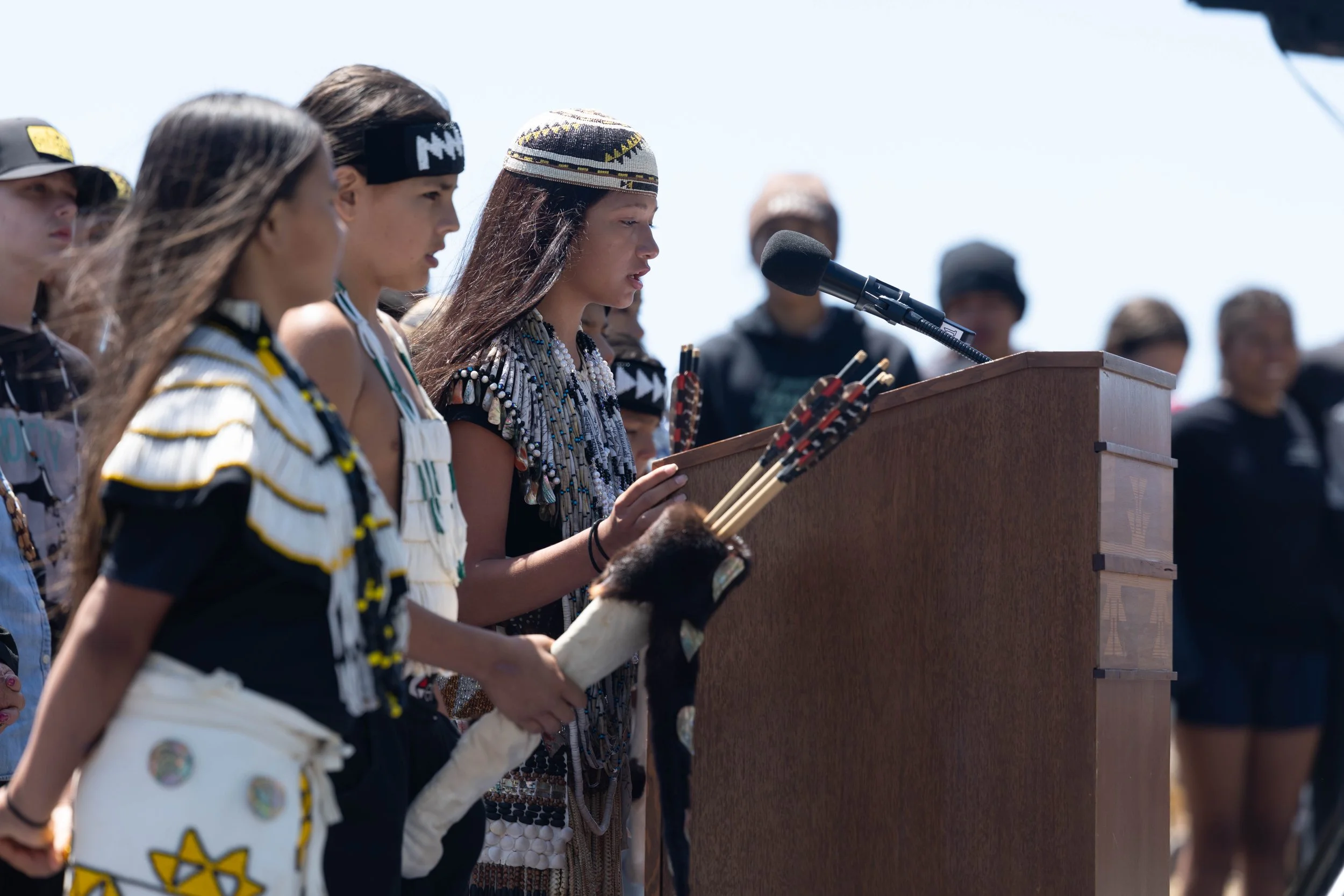
Visibility and Influence: Alumni presented at United Nations Climate COP25, COP26, COP27, COP28, COP29, COP30, Biodiversity COP16, the UN Water Conference, and the Global Free Rivers Symposium. Short films document reach thousands and help shift the global narrative around dams.
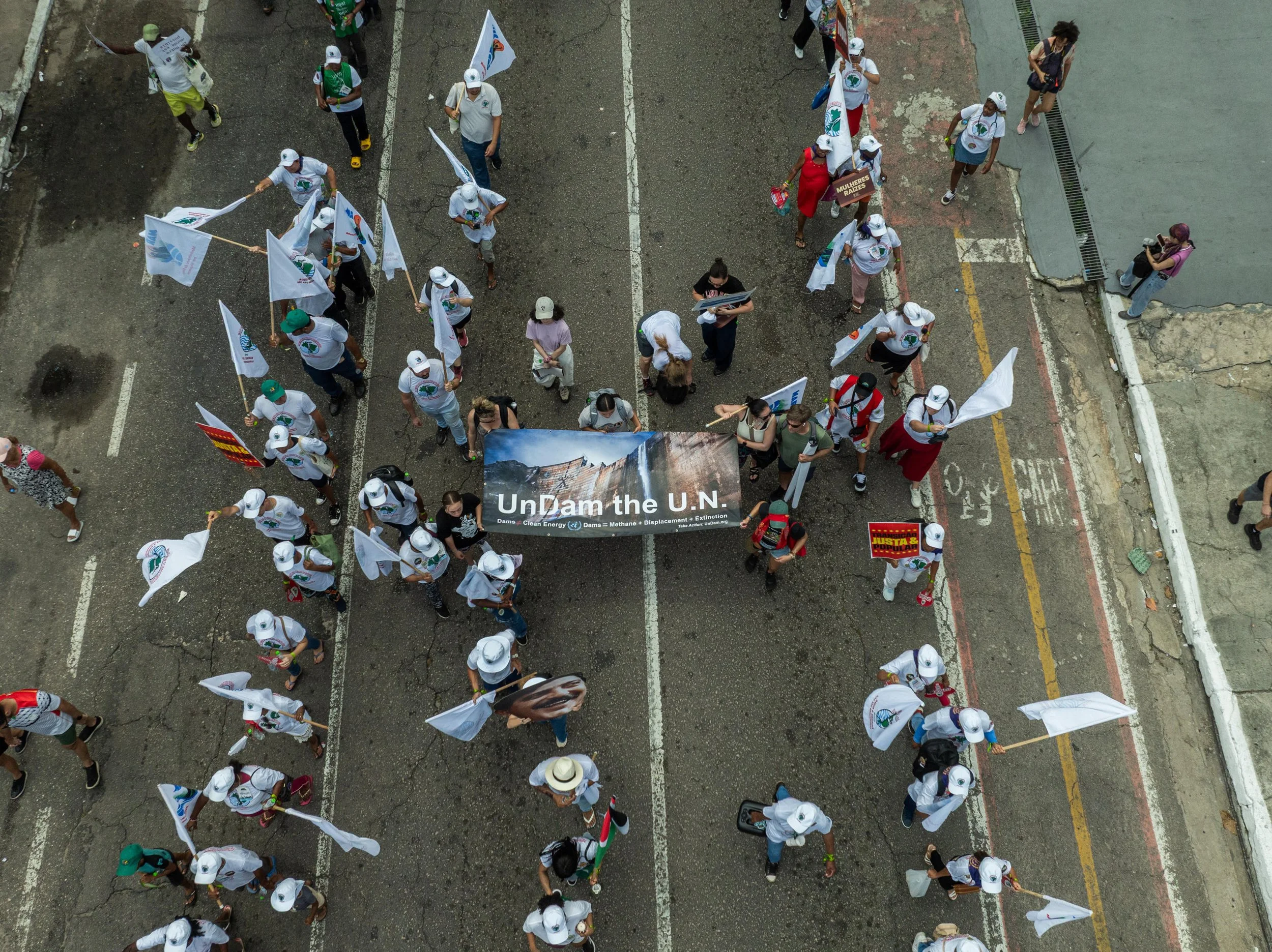
Innovation: The UnDam the UN Campaign, a global intergenerational movement advancing river justice, with powerful leadership roles for youth
Community action: Alumni-led initiatives including: paddle clubs, leadership programs, language revitalization projects, and river guardianship initiatives in Chile, Bolivia, the US, and beyond.
Sustained Engagement: Many of our alumni return as facilitators and community partners, enabling long-term tracking and intergenerational continuity.
Policy Impact: The Klamath River Accord—co-written by river advocates and youth from 10 Indigenous Nations on the banks of the river—presented as a model for Indigenous-led climate solutions.
Conclusion
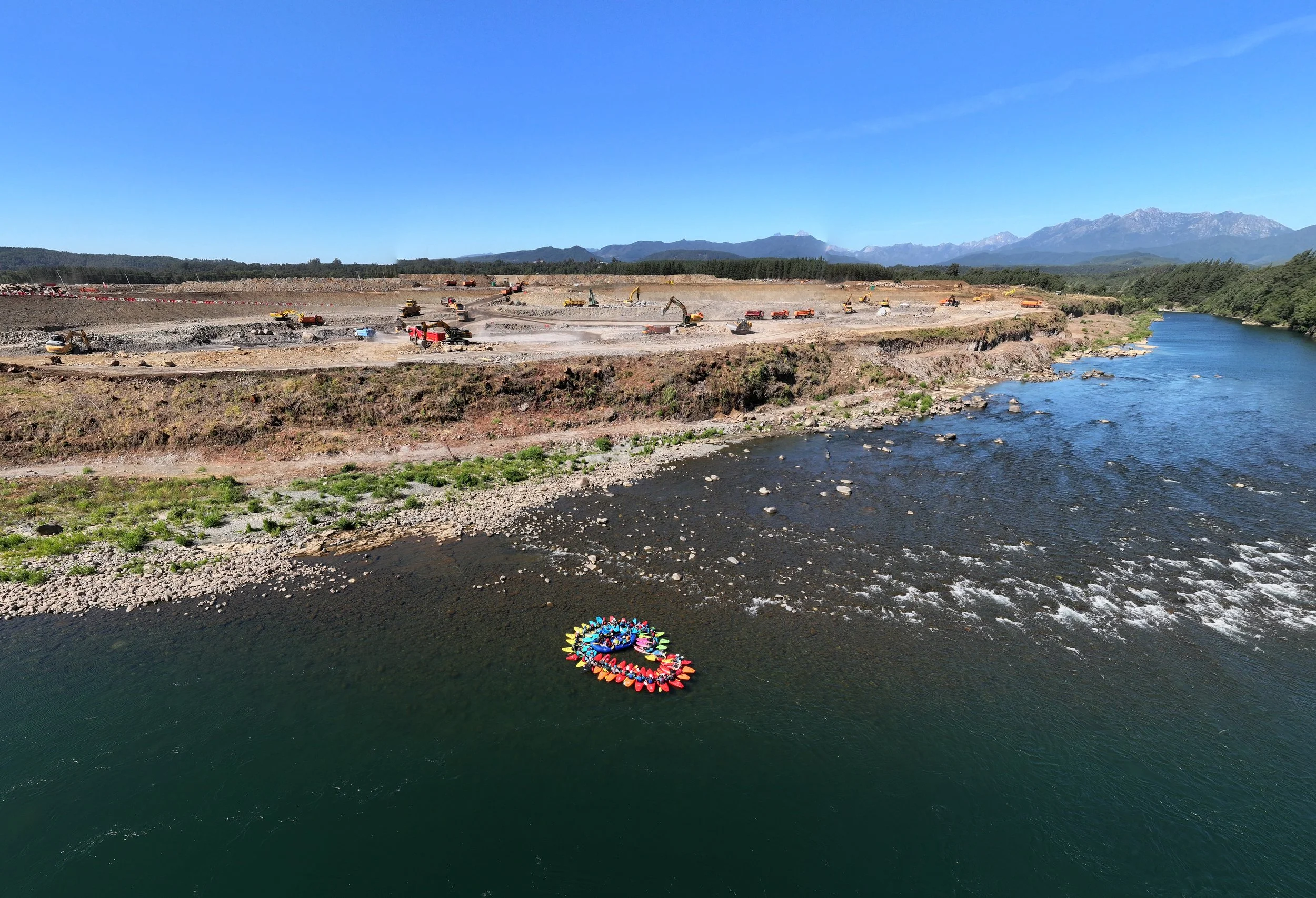
What begins as “a group of kids on the river” becomes a generational movement. River navigation is the spark: it transforms abstract climate issues into lived experience, opens pathways to sovereignty and stewardship, improves mental and community well-being, strengthens cultural identity, and ignites leadership that scales from local action to global advocacy.
This is how rivers are protected, cultures thrive, and climate policy shifts, from the banks of ancestral waters to the halls of the United Nations. This is how youth lead, locally and globally.