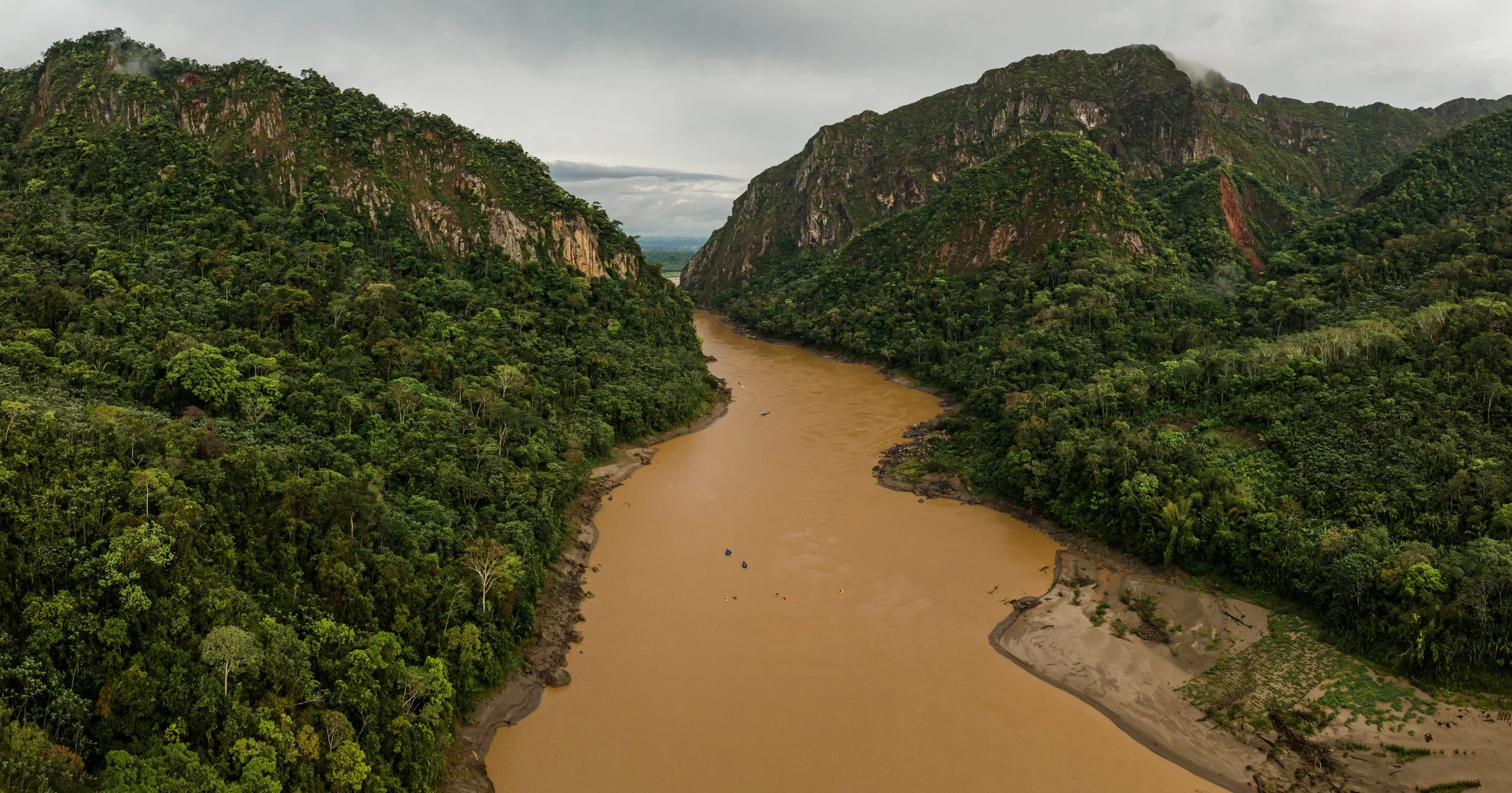
Amazonian River Initiative
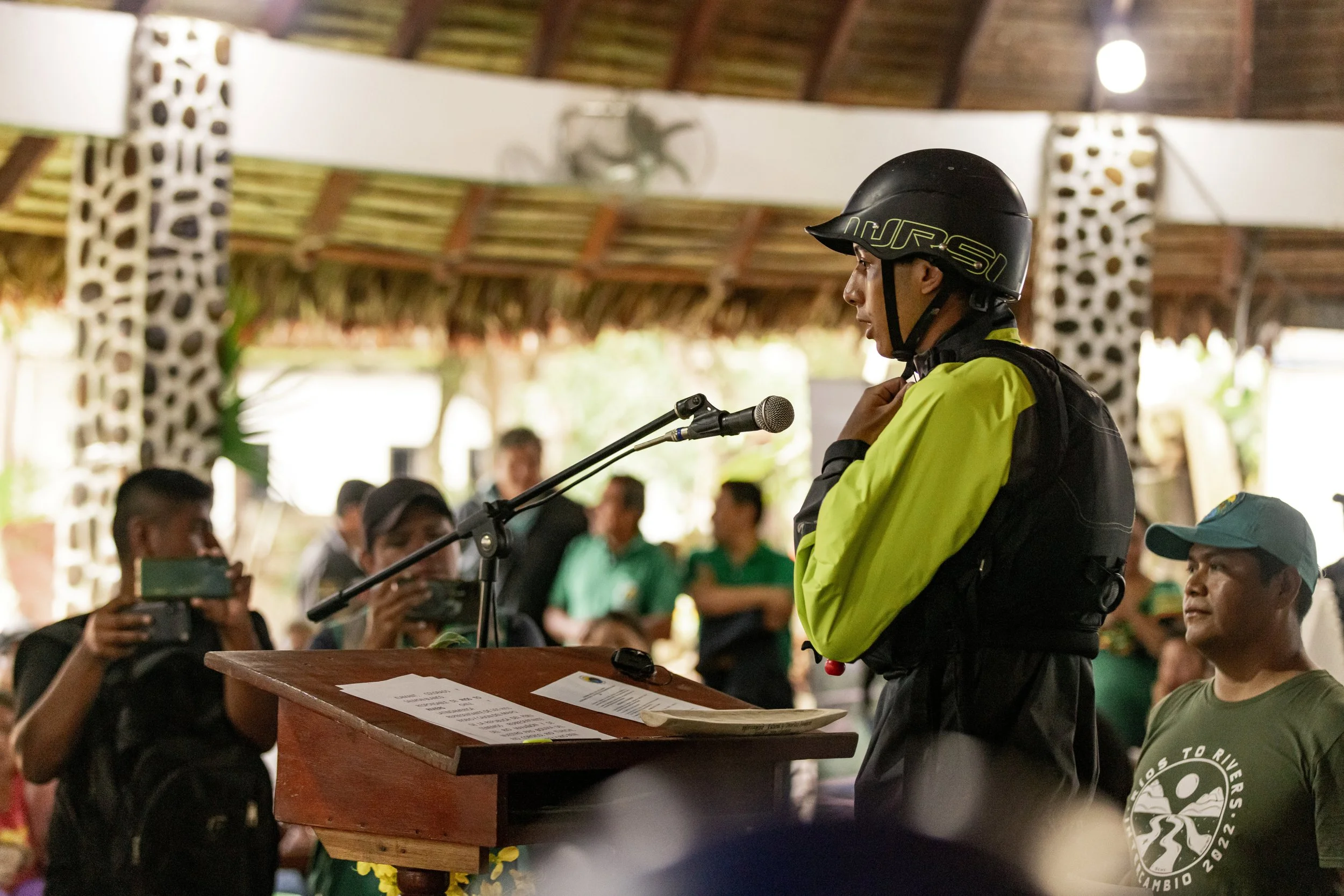
An intercultural multi-year initiative that uses whitewater paddlesport training and documentary film as a platform for conservation education and action, leadership development, community-building, Traditional Knowledge-keeping, and local economic livelihood development in order to support Indigenous communities in protecting their ancestral lands and the threatened rivers of the Bolivian Amazon.
The Initiative
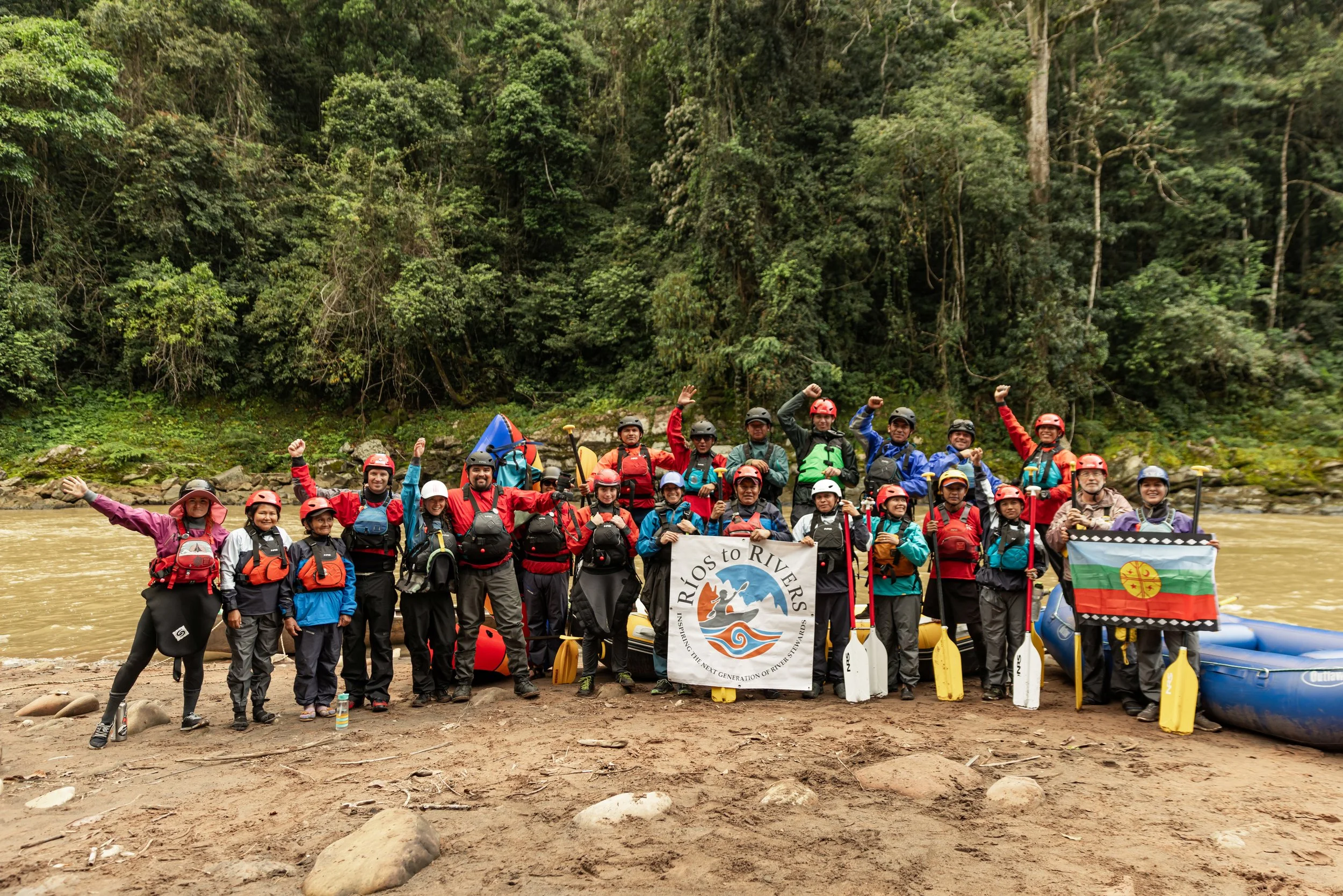
The Amazonian Rivers Initiative (ARI), developed by Ríos to Rivers in partnership with The Commonwealth of the Beni River Basin Indigenous Communities, is an intercultural leadership and conservation program in the Bolivian Amazon.
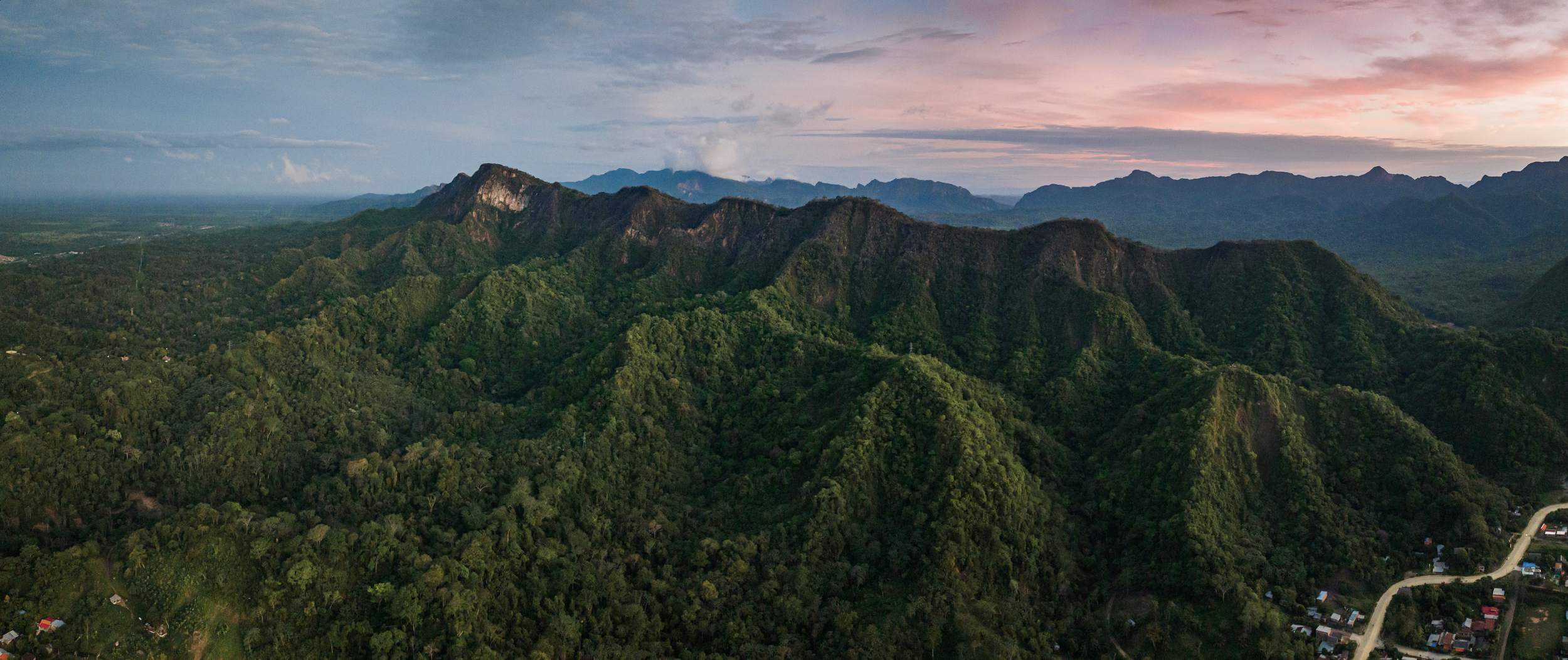
Set against the backdrop of Madidi and Pilón Lajas National Parks — among the world's most biodiverse regions — ARI responds to urgent threats from proposed mega-dams and mercury-polluting gold mining by strengthening Indigenous communities' capacity to protect their lands and develop sustainable alternatives.
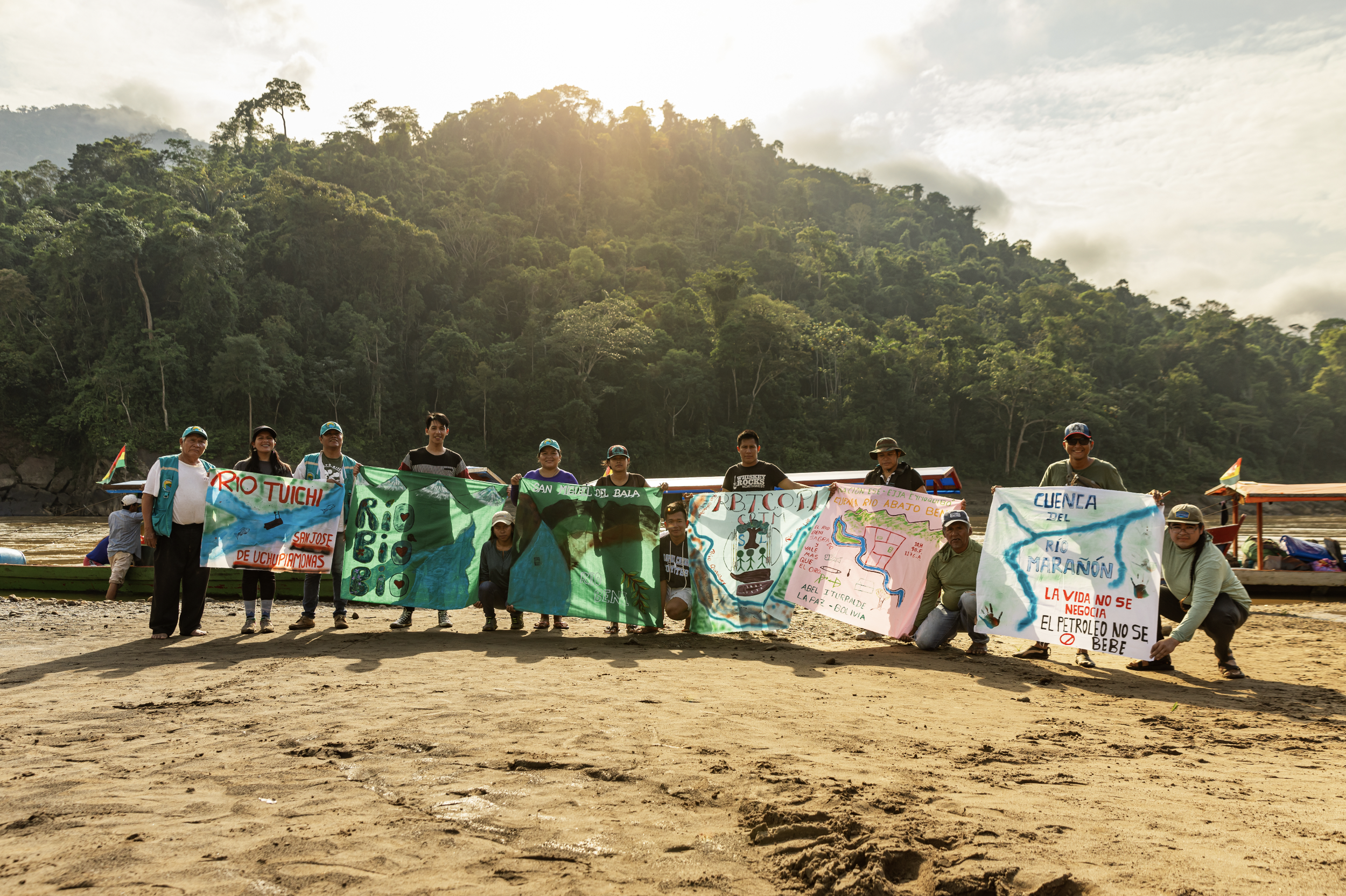
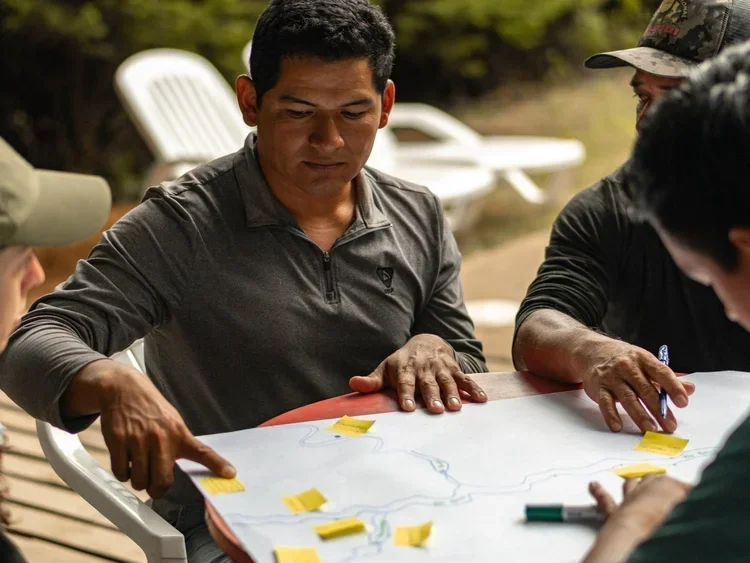
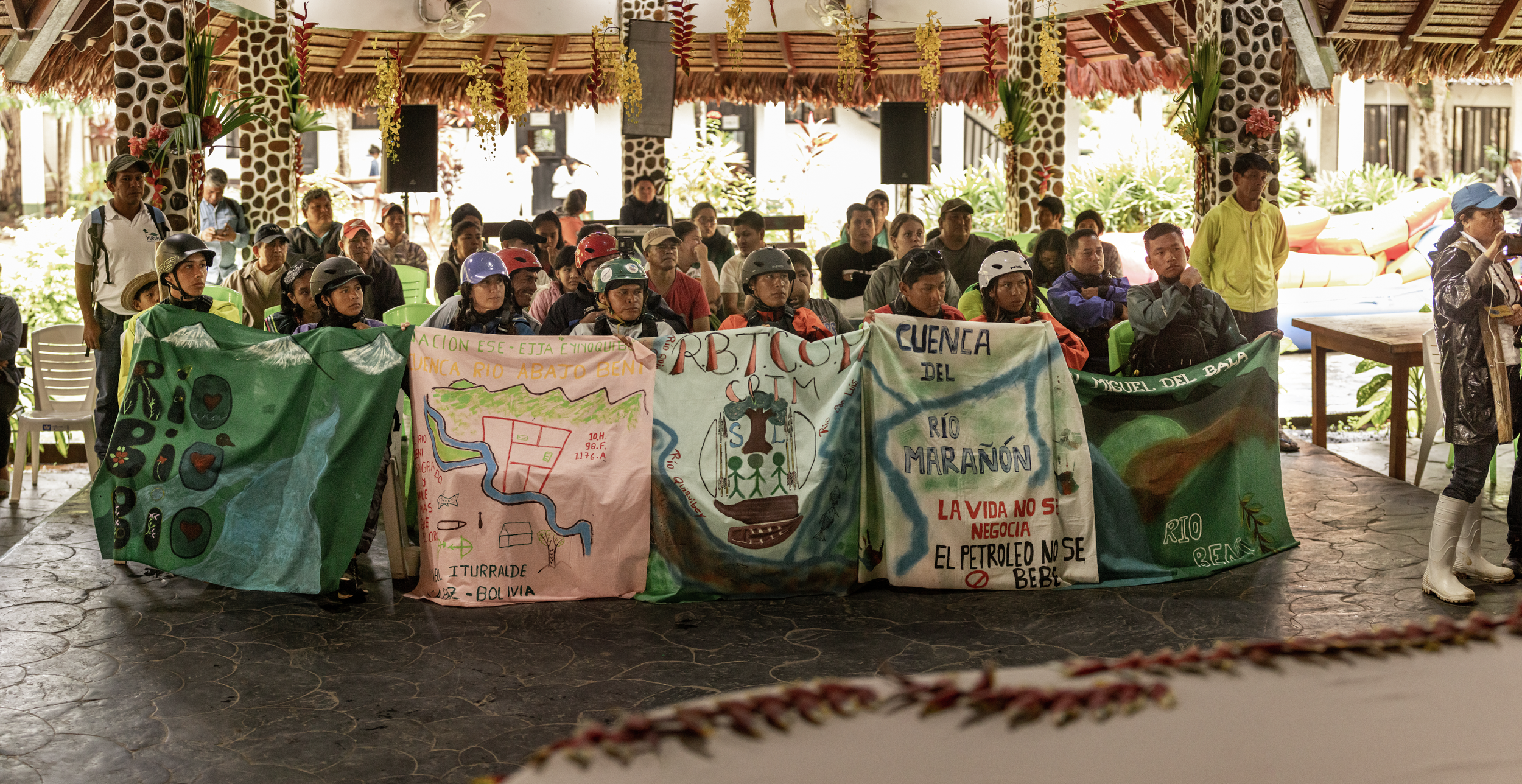
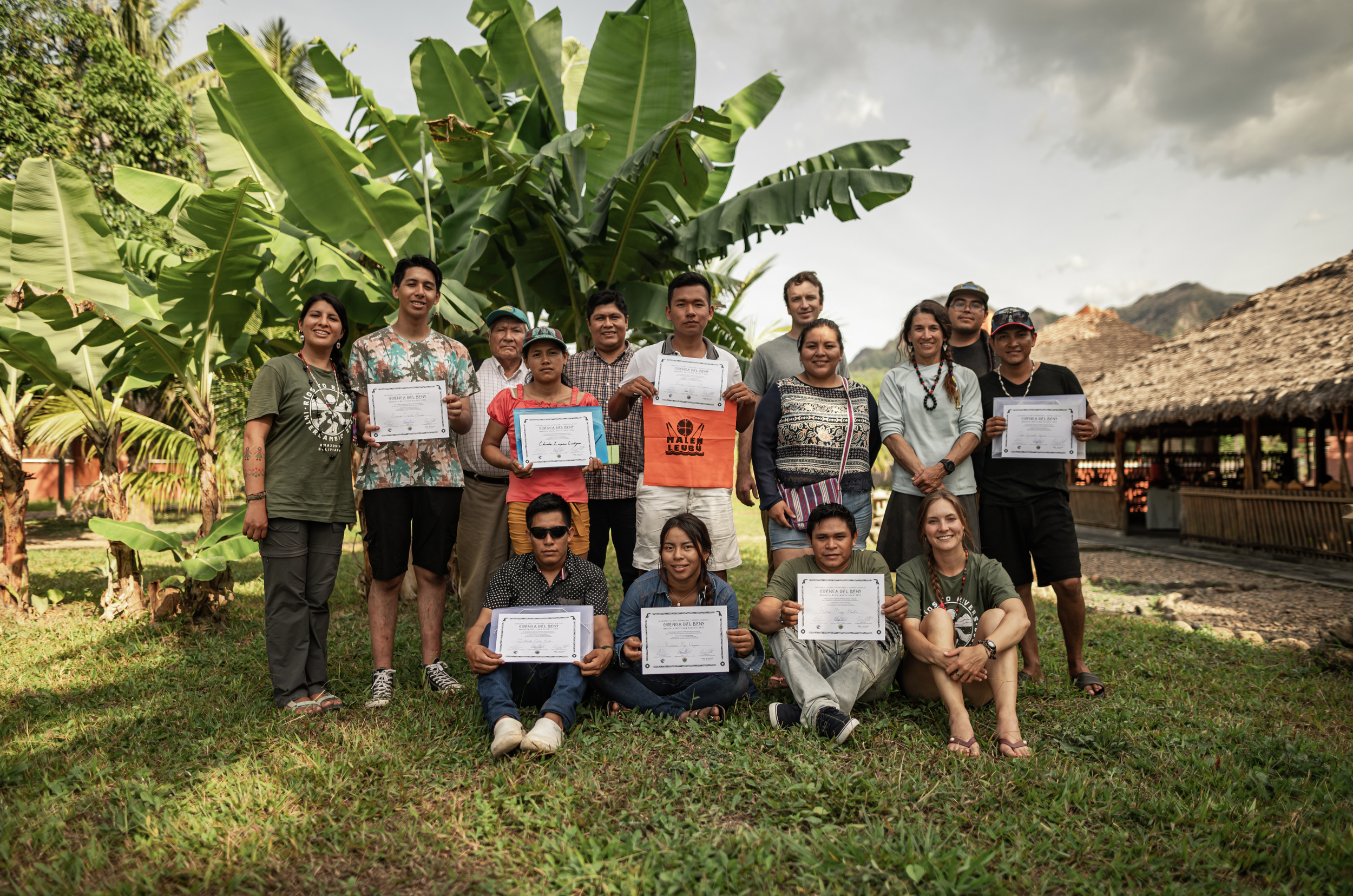
At its core, ARI brings together youth from six Indigenous nations to learn, paddle, and advocate for their sacred rivers. Whitewater kayaking and rafting serve as the platform for conservation education, leadership development, Traditional Knowledge-keeping, community-building, and local economic livelihood creation.
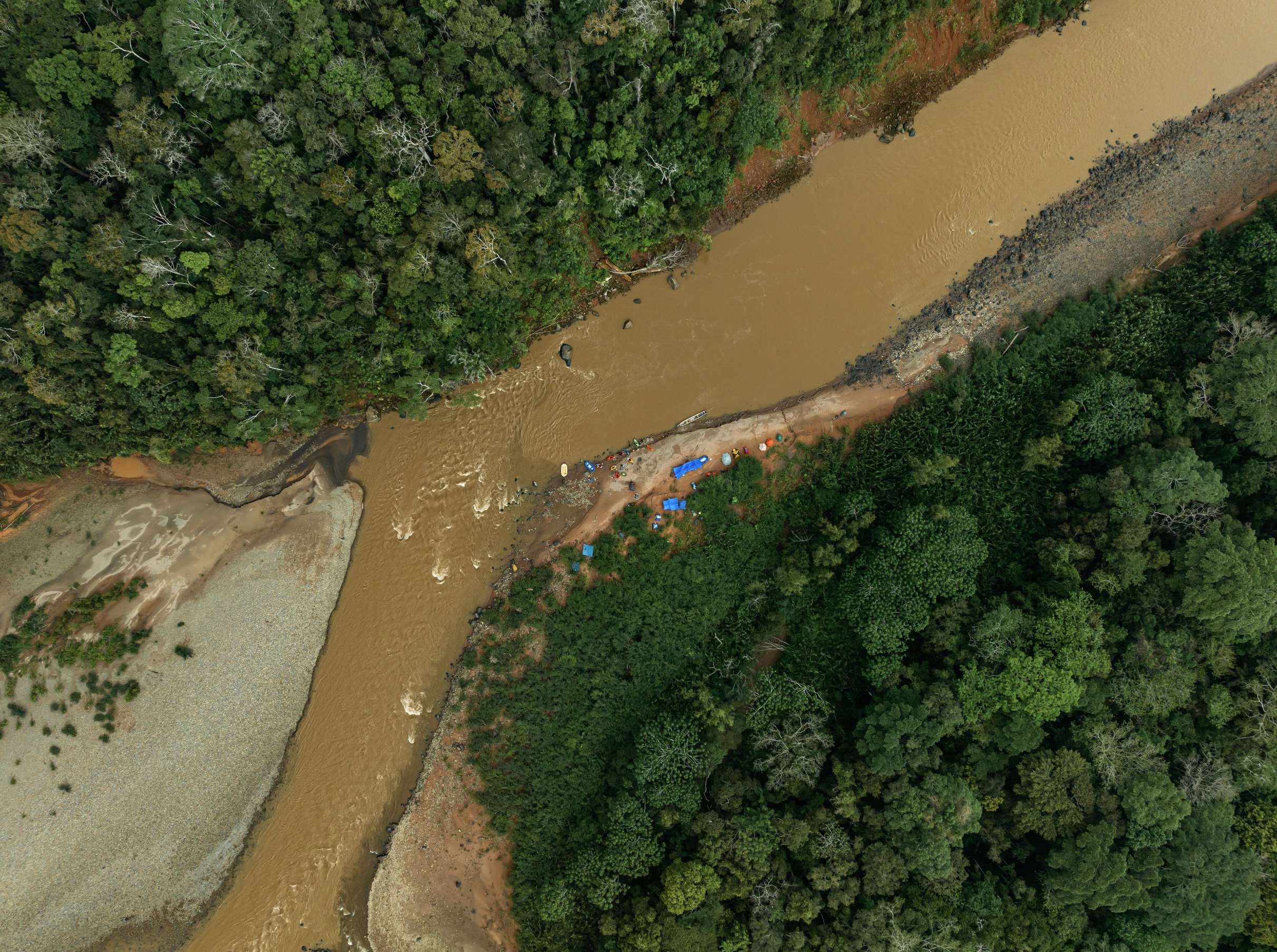
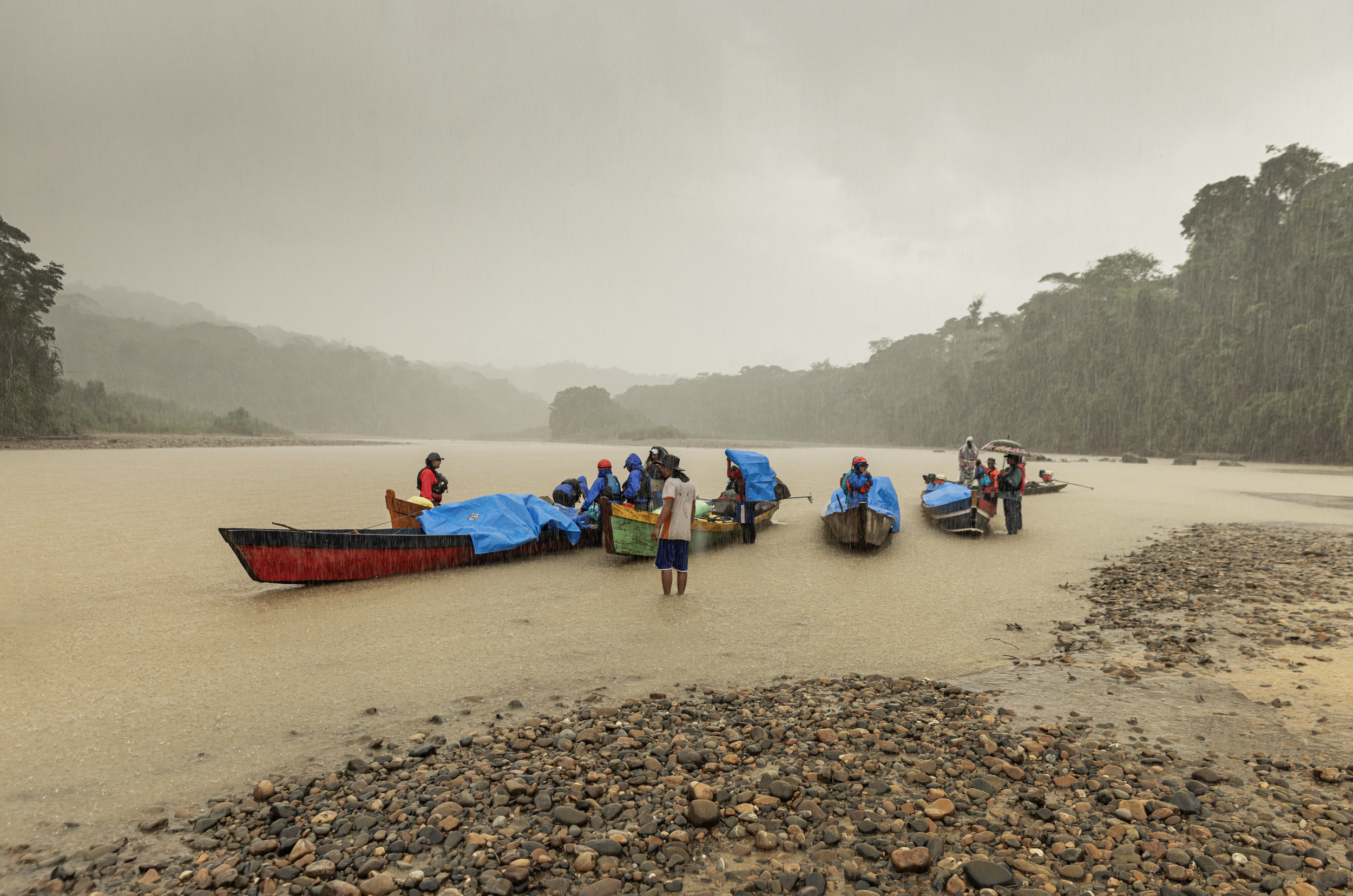
Because the health of these communities is inseparable from the health of the river, participants travel the threatened tributaries of the Beni River firsthand — bearing witness to its biodiversity and its destruction — while actively contributing to regional conservation efforts.
ARI's inaugural cohort convened in October 2022, conducting a five-day river expedition on the Lower Tuichi, visiting gold mining-impacted areas of the Beni, and strategizing conservation priorities with riparian communities.
The program also launched Bolivia's first-ever Indigenous-led whitewater sports club, a vehicle for cultivating local river stewards, advancing adventure tourism, and amplifying Indigenous voices in the fight to protect the Amazon.
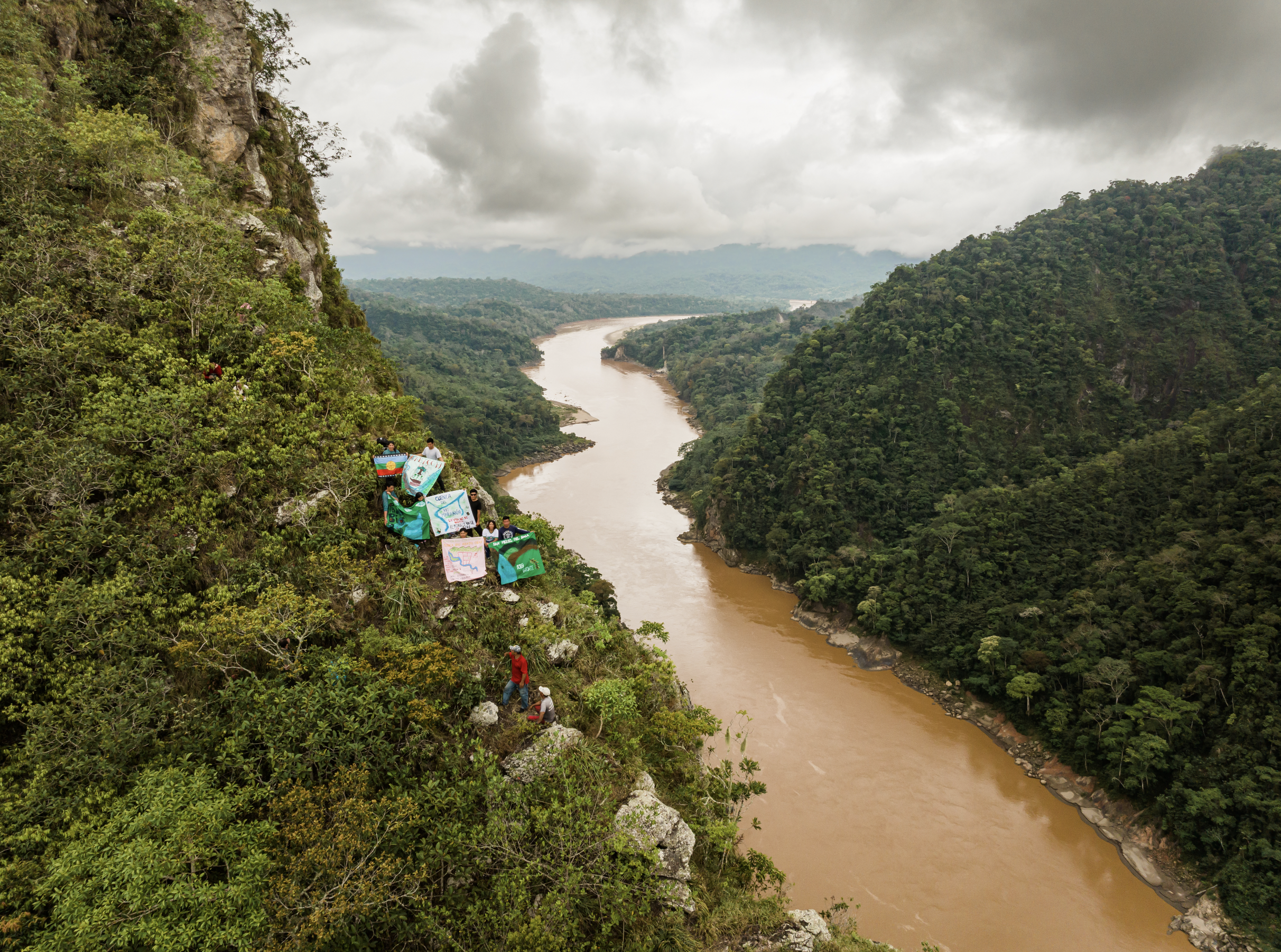
Guardians of rivers and life
Environmental impact
Illegal Gold Mining
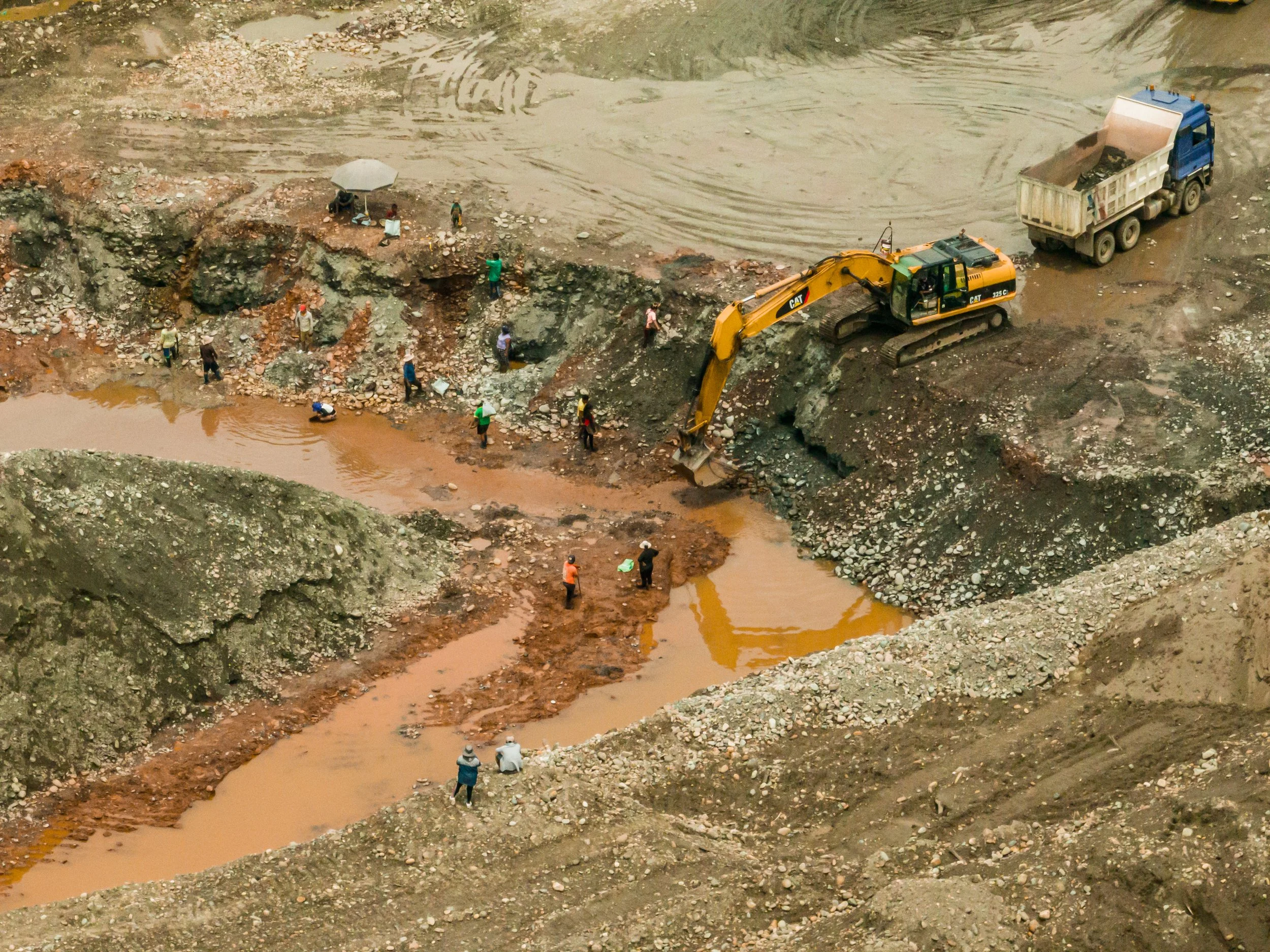
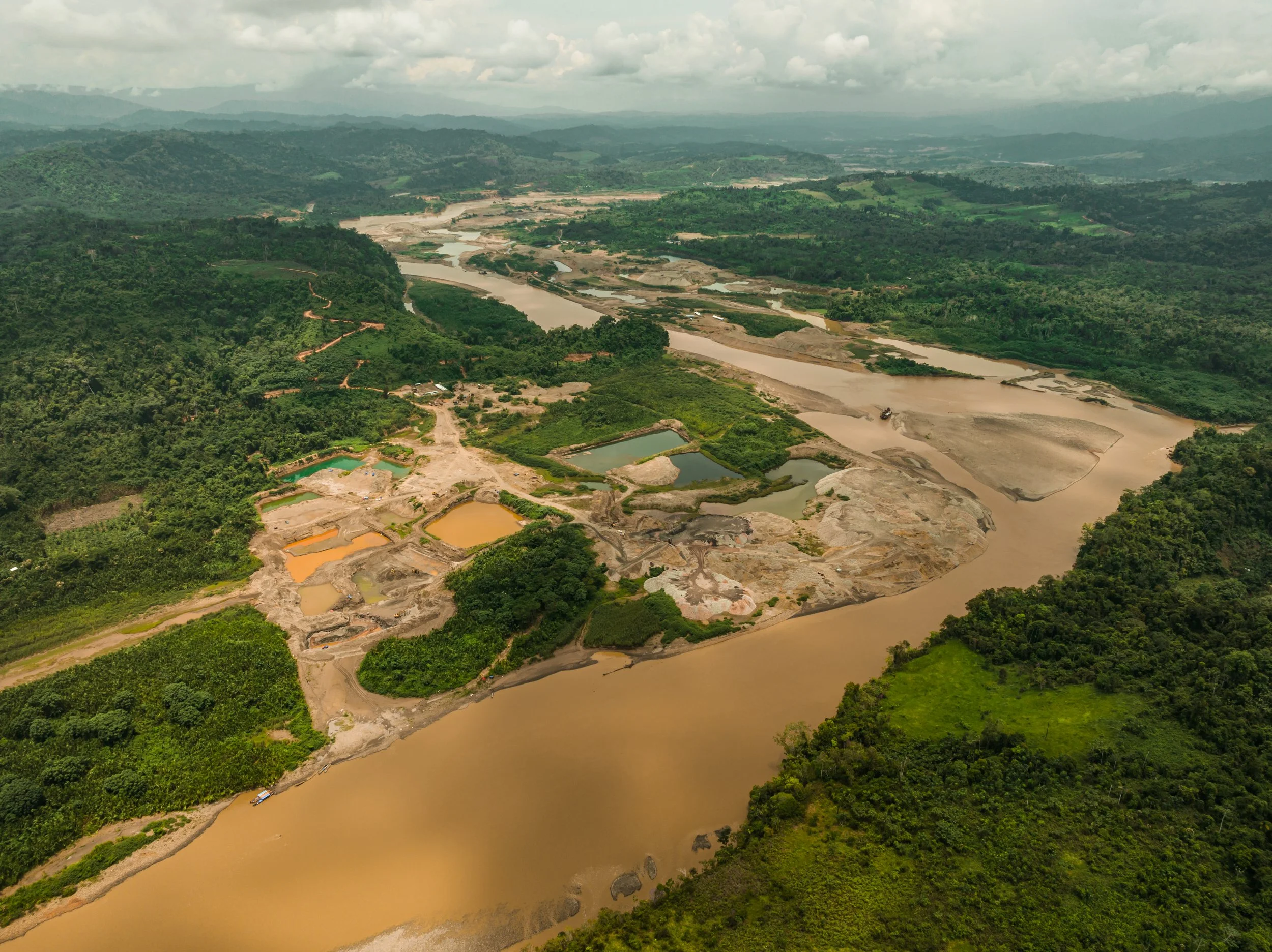
Illegal gold mining operations along the Beni and Tuichi Rivers within Madidi National Park are rapidly expanding from illicit activity into government-approved concessions, bringing with them a devastating humanitarian and ecological crisis. Miners rely on mercury — the cheapest and fastest method for isolating gold — despite its catastrophic consequences: it contaminates waterways, accumulates in the food chain through biomagnification, and poisons communities who depend on fish as a dietary staple. Since 2020, mercury use and poisoning have skyrocketed, making Bolivia the world's second largest mercury importer in direct violation of the international Minamata Agreement. Recent studies found community members in the Beni River Basin carrying up to 27 ppm of mercury in their bodies (CEDIB, 2022) — far exceeding safe thresholds — with health consequences ranging from birth defects and neurological disorders including Minamata Disease to increased risk of ADD/ADHD in children of exposed mothers at concentrations as low as 1 ppm (Kessler, 2013). Once absorbed, mercury remains in the body permanently and treatment is prohibitively expensive. Beyond human health, the mining boom has accelerated deforestation, destroyed critical carbon sinks, and disrupted the Amazon Basin's hydrological cycle, compounding an already urgent threat to one of the planet's most biodiverse and ecologically vital regions.
The Chepete and Bala Hydroelectric Dam Proposals
The proposed Chepete-Bala mega-dams would represent one of South America's largest industrial undertakings, and their consequences would be staggering. If built, the reservoirs would displace over 5,000 Indigenous peoples — including communities of the Tacana, Moseten, Uchupiamona, Leco, Tsimane, and Ese Ejja nations, who are the constitutionally recognized owners and stewards of the territory — while inundating vast swaths of Madidi National Park and the neighboring Pilón Lajas Biosphere Reserve, two of the planet's most biodiverse and culturally rich landscapes.
Economic pressures, intensified by the Covid-19 pandemic, have accelerated Bolivia's push for large-scale infrastructure investment, but the true cost of destroying these ecosystems is difficult to quantify — the region's forests, rivers, and biodiversity provide irreplaceable ecological services that no dam revenue can offset. The communities of the Beni River Basin are instead pursuing strategies rooted in natural capital, seeking economic resilience through approaches that depend on — rather than destroy — a clean, free-flowing river. Whitewater recreation, including adventure rafting and kayaking, represents one such largely untapped opportunity: few economic activities are so directly tied to the health of the river itself.
Your Support Matters
Your contribution will directly support our mission to use whitewater kayaking and education to protect rivers worldwide and the communities that support them.